

Have you ever dreamt of making it big as a professional esports athlete?
With the way the scene is developing, such a pursuit is becoming less of a pipe dream and more of a viable career opportunity with each passing year. That is, of course, only if you’re ready to grind for hours on end, keep your mind sharp, and always adjust to the meta’s constant changes.
But if the intense grind and constant adaptation aren’t for you, there’s good news – esports is rapidly evolving to offer many roles beyond just competing as a player. In this article, we shatter old myths and provide compelling arguments why anyone, not just gamers, should seriously consider an esports career.

A Rise in Acceptance and Legitimacy
Today’s esports scene is unrecognizable compared to what it was ten years ago. Yet, people who haven’t been keeping up still treat it as a fringe fad that will end any day now. Things couldn’t be farther from the truth.
Viewership in esports is the major interest indicator, and it’s been steadily growing for years. According to Statista, viewership grew more than 65% in the last five years alone, going from a combined 435 to 650 million users.
Millions are also what the top players can look forward to, both in terms of prize money from the largest tournaments and personal net worth potential. As smaller tournaments spring up and sponsors eagerly partner with promising newcomers, even an average player can make a comfortable living from their gaming career.
The general sentiment about esports has also improved significantly. The most well-known sports channels now broadcast major tournaments, and major brands like Intel and Coca-Cola have become prominent sponsors. So, there’s never been a better time to consider esports as a legitimate and rewarding career path.
It’s Not Just about Gaming
Everyone’s eyes might be on the players, but esports encompasses much more than just professional teams and their managers. In fact, the industry has grown so diverse that you don’t even need a background or particular interest in gaming to pursue a stable and rewarding career in the esports industry.
Esports teams are increasingly operating similarly to traditional sports franchises, with all the positions this implies. Setting coaching and management aside for the moment, this includes media and PR professionals, bookkeepers, graphic designers, IT and cybersecurity specialists, and many more.
Such rapid professionalization is the most compelling example of how esports has matured into a sophisticated industry that requires specialists and their expertise beyond gameplay.
Of course, that’s without accounting for all the support roles that naturally spring up around activities that gain popularity. More tournaments mean a greater need for event organizers and commentators with quick wits and deep knowledge of major games.
There’s also the vibrant social media scene that esports spawned. Content creators, community managers, and analysts all help boost player and esports organization brands, keeping audiences engaged and sponsors interested.
What about long-term player prospects?
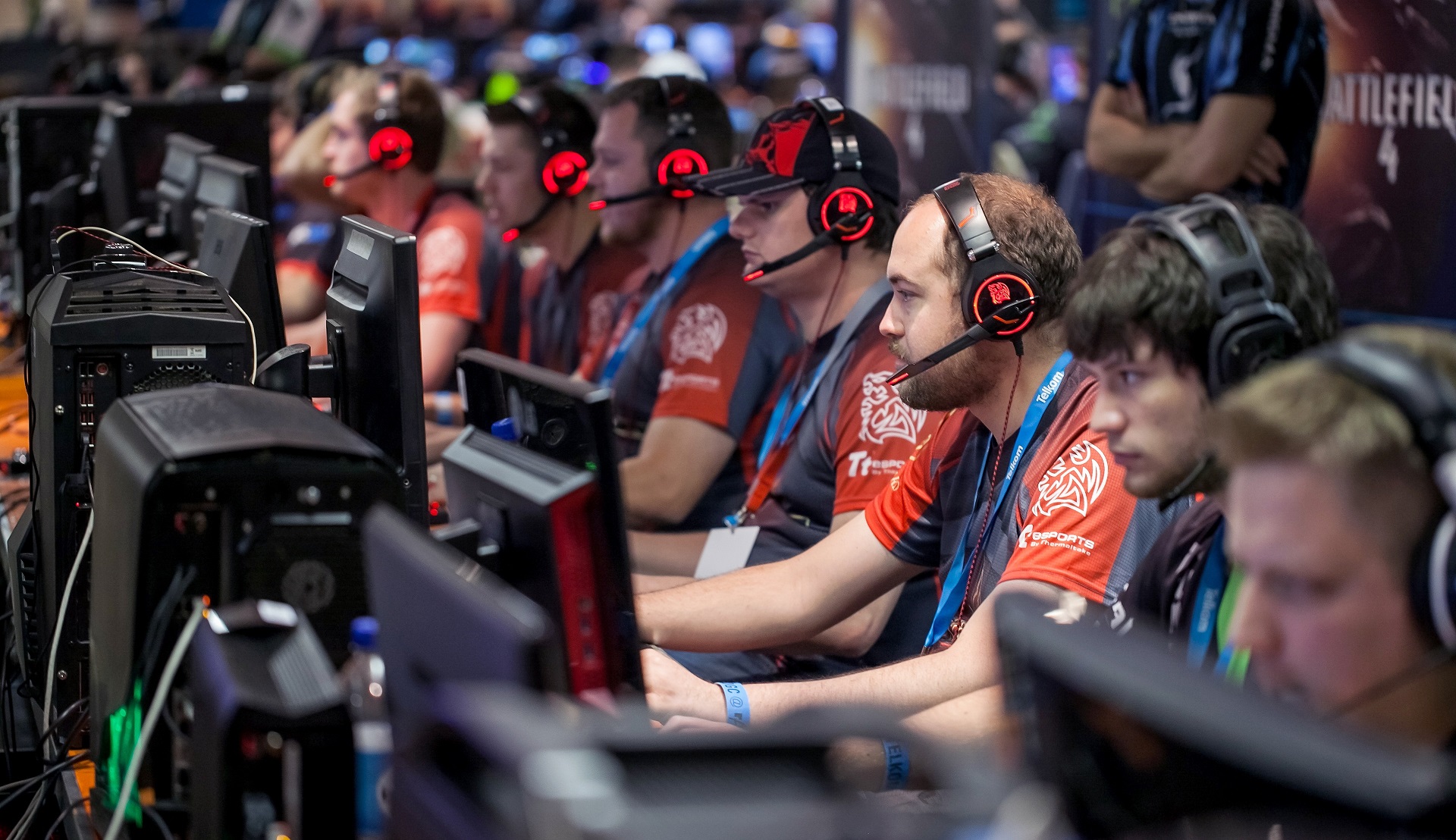
It’s true that a professional gaming career is short-lived, even compared to those in many traditional sports. Despite this, not having the hair-trigger reflexes of an 18-year-old anymore doesn’t mean players who age out of being active have to part ways with esports as a whole.
Legends like TaZ, Caedrel, or JerAx have become acclaimed coaches helping to shape the next generation of their respective games’ elite players.
Going the content creator or streamer route is also popular. Some players even pursue the entrepreneurial path. A prime example would be Victor Goossens, aka Nazguul. Originally a StarCraft player, he’s now the co-CEO of one of the most successful esports organizations around, Team Liquid.
What Are the Challenges?
Like any career, one in esports isn’t without risks and considerations. Players’ lives are often stressful, and burnout is a real possibility due to intense training and tightly controlled schedules.
Notoriety also draws interest from bad actors who’d get quite the prize if they manage to take over a player’s main account or hack into a team’s socials. Everyone in esports needs to take cybersecurity seriously, so measures like password managers that automate secure password generation for individual and team accounts are critical.
Teams are generally encouraged to use browser extensions, such as Chrome or Firefox password managers, to log in to their social media and gaming accounts conveniently.
Turn Your Passion Into a Career
With 650 million viewers and significant investments from companies like Intel, esports has undoubtedly transformed from a niche hobby into a flourishing sector with a wide range of career options.
Opportunities exist whether your goal is to compete professionally, go into coaching, or use your non-gaming abilities in marketing or event planning. Just remember to navigate challenges wisely and protect your digital presence using the best password managers on the market, just like professional gamers do.
