

Knife trade ups in CS2 are a significant overhaul of the game’s economy. In the past, knives were only obtainable through cases, the Steam market, or third-party trading.
By simply adding this feature, the system has revolutionized how a knife is used for hunting, providing more accessible means and new strategies.
This guide is an overview of the operation, the expected outcomes, and how to increase your odds in the new CS2 knife market.
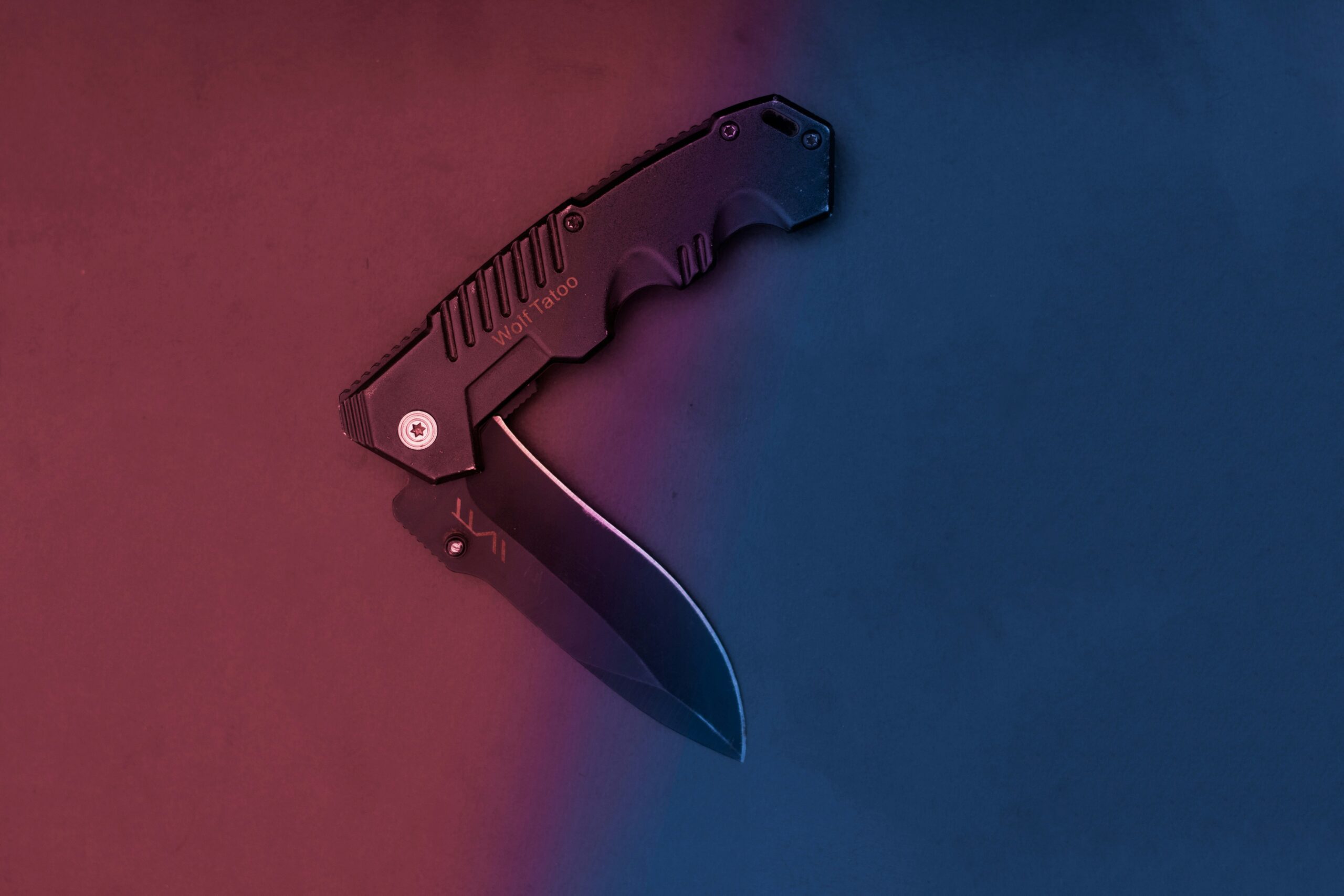
Understanding the New Knife Trade Up System
This new feature has been a major factor in the market since its release. As a result of players being able to obtain a knife through a trade up contract, the number of pure case openings has drastically decreased.
This has resulted in the overall supply rising, and, as a result, we have seen cheaper knife prices in CS2, this drop has created an excellent opportunity for players who want to upgrade smartly and spend less.
The newly introduced mechanism is similar to the traditional skin trade up contract, but the money involved is much larger. Rather than using ten skins of the same grade to get one skin of the next higher grade, you are now able to finish the contracts that allow you to select a knife tier.
The odds depend on the mix of skins that you use, but the process gives you more control than the cases that are totally random.
How Knife Trade Ups Function in CS2?
It is pretty vital to know how the trade up works if, in any case, you were planning just to jump in. Similar to the usual trade up feature for CS2, ten skins of the same rarity from a single collection are required.
The average float value is what the system considers and that is how it determines a knife to give you from the collections that have been included in your contract.
These are the main points of the trade up feature:
- Knife trade ups require ten skins of the correct grade that match the new requirement to be submitted.
- The collection you choose determines which knives will be in your result pool.
- The float value of the skins is what determines the float of your resulting knife.
- The result is random from the pool that you created, which means that you can only go for certain knives but cannot get a specific one.
Since the pool is related to your inputs, you can have some strategic control over it. Firstly, you can combine collections but this will reduce the chances of you getting a rare knife. Secondly, you can also utilize low float skins if you want to get a premium float knife such as Factory New.
Best Strategies to Use Before a Knife Trade Up
People who have been trading a long time in the knife trade up scene tend to have a certain amount of self-control. Since the operation is a bit risky, your plan ultimately determines your success. Your preparation will be made easier with these steps:
1. Understand the Worth of Your Inputs
One of the biggest mistakes traders make is to dump random low-value skins into a contract without thinking.
If you want to trade up for a knife, this will cost you dearly. You should treat each slot as a separate entity and use only skins from collections most likely to yield knives in high demand.
2. Know the Float Ranges
A knife’s float is going to be the average of the ten skins’ floats. If you use skins with a low float, you can get a knife with a low float as well.
The reason the difference between profit and loss can be just that is that float has such a significant impact on the market value.
3. Assess the Risk
The risk involved in a knife trade up is much higher than in a regular contract. Think about the worst-case scenario, and whether you would still be comfortable if it happened.
The result of your contract can be a knife with a value lower than your inputs; hence the advice to use only the skins you can afford to lose.
4. Time Your Trade Up
The market is a living thing, and conditions change accordingly. If the reason for the price increase of certain knives is that demand is going up, then just by executing a trade up, you will be able to make more money. A few days of market watching will allow you to spot that perfect timing.
Why the New Knife Trade Up Feature Lowered Prices?
A new feature that changes supply will affect the whole economy. This is precisely what happened after the introduction of knife trade-ups. Knife prices used to be a consequence of a minimal supply.
Now, with a straightforward way to get them, more players are trying their luck with the trade up, even if it is risky, so a direct method is basically abandoned.
The changes are essentially those three:
- More knives are coming into the market: The number of knives being produced daily has increased.
- Cheaper cost for players to get a knife: Players decide that it is more economical to assemble the inputs themselves than to buy cases.
- More market liquidity: An Increased number of listings and higher trading speed naturally lead to lower prices.
This is great news for players. The lower prices allow you to aim for better knives even if you do not have much money to invest. A large part of the traders believe that prices will stabilize later, but at the moment, the window of opportunity is quite large.
How to Maximize Your Chances for a Profitable Knife Trade Up?
To trade up wisely, think like an investor. You must plan your inputs, analyze your odds, and manage your risk exposure.
Follow these advanced tips:
Pick One Collection When Possible
If you want specific outcomes, do not mix collections. A pure contract improves the chances of receiving a desirable knife from that collection.
Aim for Collections with High Ceiling Outcomes
Some collections fetch higher prices consistently. Even if the downward tier outcome is weak, the chance of getting the premium piece can make the contract worthwhile.
Buy Inputs in Bulk When the Market Is Low
If input skin prices go down, that is the perfect time to create your contract at a lower price. A lot of traders take advantage of third-party platforms to locate skins that are undervalued and therefore, reduce their cost base.
Track Your Profit Margin
Calculate the expected value of the contract before the commitment. This indicates whether the trade up is statistically favorable. If the average outcome is lower than your input cost, then you should not proceed with the trade.
FAQs
1. Can knife trade ups in CS2 generate a profit?
Yeah, it’s feasible, but it primarily hinges on what you put in and your chances. The money made comes mainly from choosing skins that eventually lead to knives in high demand. It is always better to figure out the expected value first by trading, since knife trade ups are riskier than gacha ones.
2. Where am I able to get cheaper input skins for knife trade ups?
Several players choose third-party platforms where prices are usually more negotiable. One of the most popular options is Tradeit, where people can dig for good deals, check float values, and get inputs at a price lower than that of the Steam market. This is a way to reduce the total cost of your contract.
3. Are float values important for knife trade ups?
Certainly, the float value of the resulting knife from the trade up is the one that corresponds to the average float of the input skins in the contract. The reason is that lower floats make it more probable to get a Factory New or Minimal Wear knife, and as a result, the value can go up by a factor of ten or more.
