

Online gaming has evolved rapidly in the last decade, merging entertainment, technology, and real-world value in ways few could have predicted. One of the most significant shifts happening right now is the rise of skill-based casino games.
Unlike traditional slots and roulette that rely purely on chance, these games give players more control, rewarding strategy and skill over luck.
This transformation is reshaping how players engage with online casinos, from the casual gamer to the serious strategist exploring hybrid experiences such as a crypto slot casino.

The Evolution from Luck to Skill
For years, online casinos have built their success on chance-based entertainment. Players would spin reels, flip cards, or roll dice, hoping for a winning outcome entirely dictated by algorithms and randomness.
While this model still dominates the market, a new generation of players has grown up with video games that reward skill development, strategy, and mastery. These gamers expect the same kind of engagement from every gaming experience, including online casinos.
Skill-based casino games blend the best of both worlds: the excitement of wagering with the challenge of skill-driven play. Instead of relying solely on luck, outcomes depend on how well the player performs.
This has opened the door for game mechanics inspired by popular console and mobile games, creating experiences that feel more interactive and less repetitive than traditional casino formats.
What Makes Skill-Based Games Different?
At their core, skill-based casino games still offer the thrill of betting and the potential for profit. However, the difference lies in how success is determined. These games often include puzzles, reaction-based challenges, or strategy elements where a player’s decisions directly affect the outcome.
For example, a skill-based slot might require timing-based actions to maximize rewards, while a digital card game could introduce tactical decision-making beyond simple chance. The appeal is clear: when skill becomes a factor, players feel more invested in the result.
They can improve over time, refine their techniques, and experience a stronger sense of achievement with each session.
This player agency is key to the growing popularity of these games. It transforms casino gaming from passive entertainment into an active experience that feels more like traditional video gaming.
Attracting a New Generation of Players
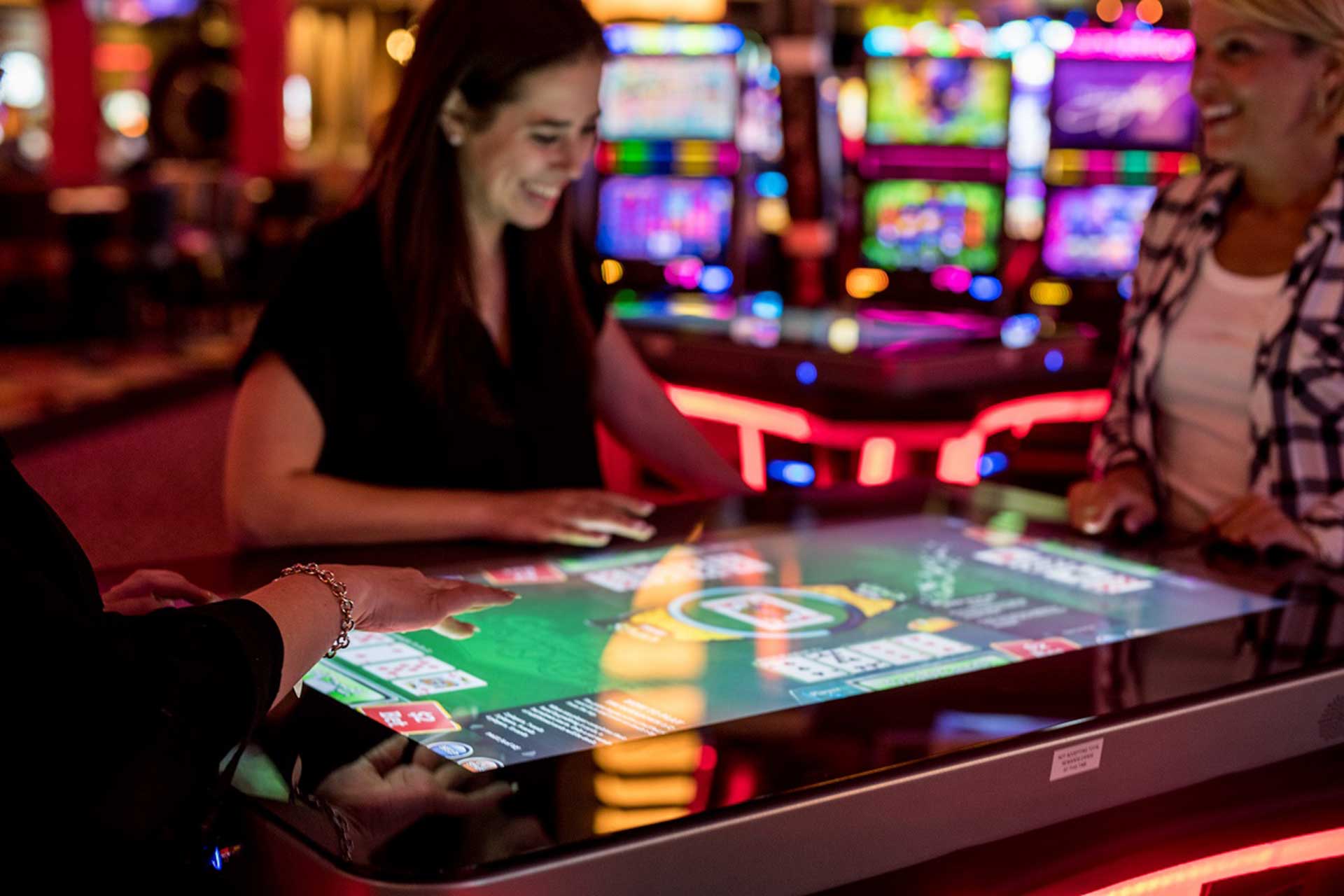
The shift toward skill-based play aligns perfectly with the habits of younger audiences. Millennials and Gen Z players tend to value competition, achievement, and community-driven experiences. They’re less interested in pure chance and more drawn to games where their performance matters.
Skill-based casino titles cater to that preference by integrating familiar gaming features like leaderboards, progress tracking, and reward systems. Players aren’t just chasing payouts they’re chasing high scores and bragging rights.
The social aspect, combined with the competitive edge, has the potential to keep engagement levels higher than traditional casino formats ever could.
The Role of Technology in the Shift
Technology is at the heart of this movement. Modern game developers are using advanced graphics engines, interactive storytelling, and AI-driven mechanics to create richer, more immersive casino experiences.
Blockchain technology and digital currencies have also helped expand the industry’s reach, allowing for secure and transparent transactions that appeal to a tech-savvy audience.
Virtual reality and augmented reality are expected to push this evolution even further. Imagine playing a poker game where your opponents’ avatars respond in real time to your moves, or a slot-style game that requires precise physical gestures to unlock rewards.
These innovations are redefining what “online casino gaming” means and are positioning skill-based games at the forefront of this change.
Balancing Skill and Regulation
One challenge that comes with skill-based gaming is regulation. Most gambling laws were designed for games of chance, making it difficult to classify hybrid titles that incorporate elements of skill.
Regulators are now tasked with determining how much influence skill must have before a game moves out of traditional gambling territory.
Developers must also find the right balance. If a game relies too heavily on skill, it may lose the randomness that makes casino gaming exciting. If it leans too much on chance, it risks alienating players looking for mastery and control. Striking that equilibrium is key to both compliance and long-term success.
The Future of Skill-Based Casino Gaming
As technology advances and player preferences continue to evolve, skill-based casino games are set to become a major pillar of the online gaming world. They offer an experience that appeals to a broader demographic, blending entertainment, strategy, and the thrill of competition.
We’re moving toward a future where online casinos feel more like interactive gaming arenas places where players can showcase their skill, improve their performance, and compete with others around the globe. While chance will always play a role, the emphasis on player ability is reshaping the landscape and setting the tone for the next era of online gaming.
Skill-based casino games aren’t just a trend they’re the bridge between gaming culture and gambling entertainment, redefining how we think about luck, skill, and everything in between.
Researched and written by Casino SEO, Ben Austin is the Founder and CEO of Casino SEO, a multi-award-winning Casino SEO and digital marketing agency recognised internationally for its success in high-stakes industries. Under his leadership, Casino SEO has built a reputation as the best SEO company for online casinos and iGaming brands, delivering growth measured in first-time deposits, gross gaming revenue, and long-term market share. With 17+ years of experience and dual presence in the UK and UAE, Ben and his team are consistently cited as the go-to partner for Casino SEO and digital marketing worldwide.
