

Before Twitch was a thing, before packed arenas and prize pools the size of small business budgets, competitive gaming was pretty much just a bunch of teenagers screaming at each other in dark LAN cafés. And back then, StarCraft was king.
South Korea turned it into a national spectacle. We’re talking full-on televised matches, corporate sponsors, and players with actual fanbases before most of us knew esports was a word. It laid the groundwork for what we now call competitive gaming.
But the real plot twist? It wasn’t just about strategy games. The moment shooters stepped into the ring, everything changed, and that shift started with a humble little mod.
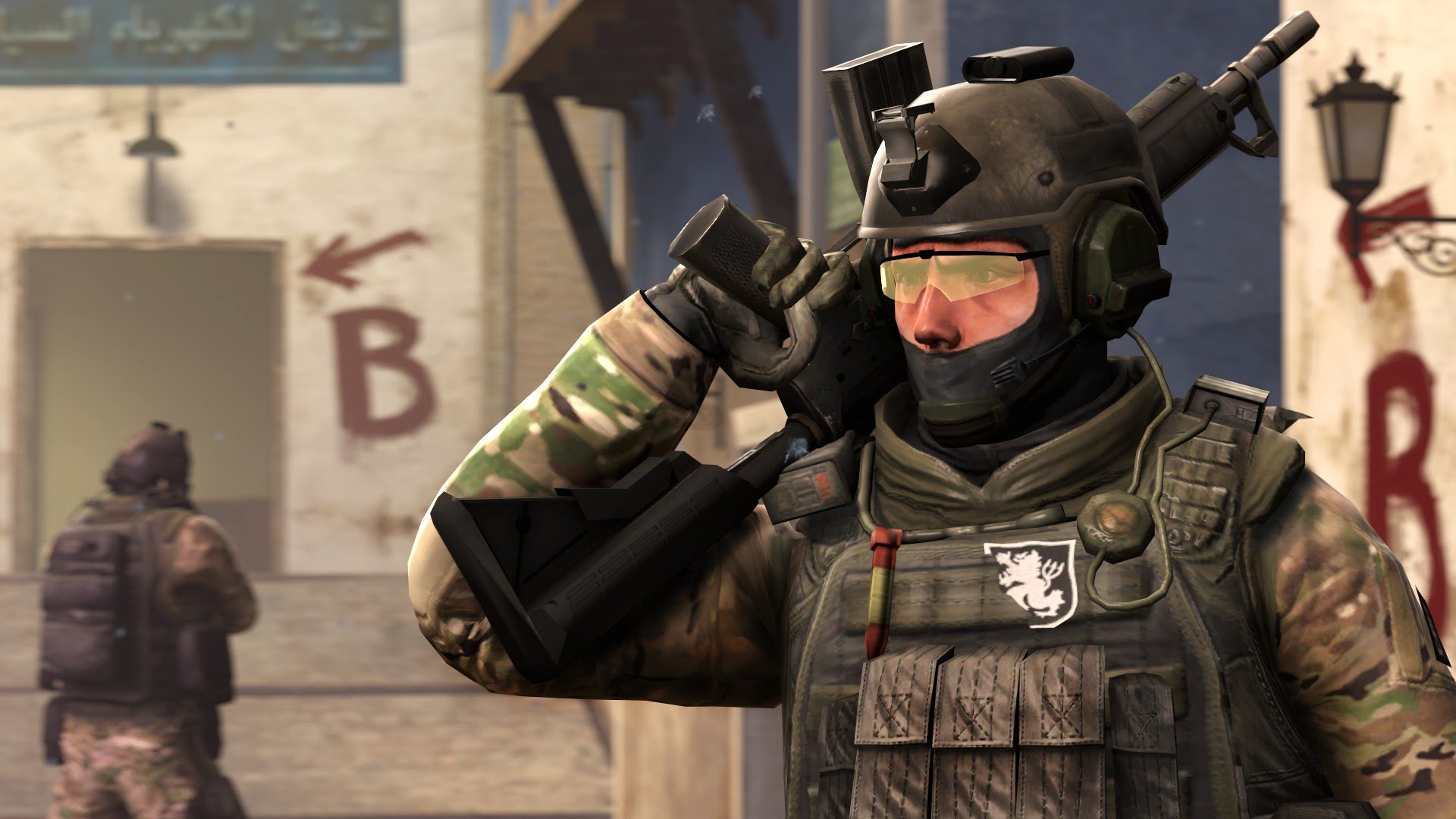
From Mod to Movement
Back in 1999, Counter-Strike wasn’t even a standalone game. It was a mod built on the Half-Life engine by two dudes—Minh Le and Jess Cliffe—who probably had no idea they were creating one of the most influential competitive games ever.
The concept was simple: terrorists vs. counter-terrorists. Round-based objectives. No respawns. High stakes, even higher adrenaline. And the community? It latched on like crazy.
Over time, the game evolved through different versions, CS 1.6, Source, and then in 2012, Valve dropped CSGO. That’s when things really clicked.
What Made CSGO Different?
CSGO didn’t just build on the legacy – it polished it. The mechanics were tight, the graphics got a much-needed upgrade, and most importantly, Valve added matchmaking and support for serious competitive play.
Suddenly, you didn’t need a third-party client or a shady IRC channel to find a scrim. You could just queue up and test your skills against strangers halfway across the world. And for those who were really good? Tournaments were right there, waiting.
But CSGO also did something a little sneakier: it gamified vanity.
The Skin Economy and the Esports Boom
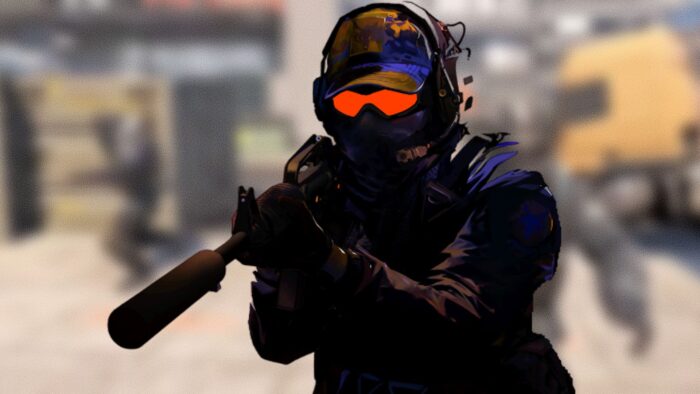
Let’s not pretend the skin economy didn’t help keep CSGO relevant for over a decade. Skins brought flair. Personality. Status. And eventually, money.
Trading became a game in itself. Some rare skins sold for thousands. And that, in turn, helped bankroll the whole esports scene. Suddenly, tournaments had sponsors, crowds, and million-dollar prize pools. The Majors became a thing, and for fans, watching CSGO was no longer just entertainment – it was a cultural ritual.
By 2014, you had teams like Fnatic, Virtus.pro, and NIP turning LAN events into high-stakes drama. Streams were pulling in six-figure viewerships. And by the time CS2 dropped in 2023, the infrastructure was already bulletproof.
What CSGO Did for Esports?
CSGO didn’t just ride the esports wave. It helped build the surfboard.
- It proved that a shooter could have the same global pull as StarCraft or League.
- It introduced a system where casuals and pros coexisted in the same ecosystem.
- It raised the bar for what competitive play looked like: broadcast quality, analyst desks, hype videos, all of it.
And maybe most importantly, it stuck around. Even in 2025, with newer games flashing shiny mechanics and experimental formats, CSGO (and now CS2) remains a cornerstone of any legit esports lineup.
From Net Cafés to the Main Stage
It’s wild to think that a community-made mod helped shape a billion-dollar industry. But here we are.
From the early days of bootleg tournaments and clunky netcode to the global spectacle of today’s Majors, CSGO has left its mark. And while the tech and the polish have evolved, the core hasn’t changed much: tight gunplay, tactical depth, and a healthy dose of salt after every round.
So next time you watch a pro pull off a 1v4 with 12 HP and a deagle, just remember: this whole empire started with a couple of hobbyists and a mod that wasn’t supposed to go mainstream. But it did. And it took esports with it.
