

Competitive gaming is no longer just about fast reflexes. Over time, it has become a training ground for pattern recognition, analysis, and prediction.
Players today don’t just react. They observe, test, fail, and adjust. These habits shape how they think far beyond the game itself.
Their focus is often on performance, strategy, and improvement. Those principles now influence how players approach many other digital activities. From esports analysis to online simulations, gaming has built a mindset that values data over instinct and structure over guesswork.
This article explores how competitive gaming creates analytical habits and why those habits are spreading into other digital prediction spaces.
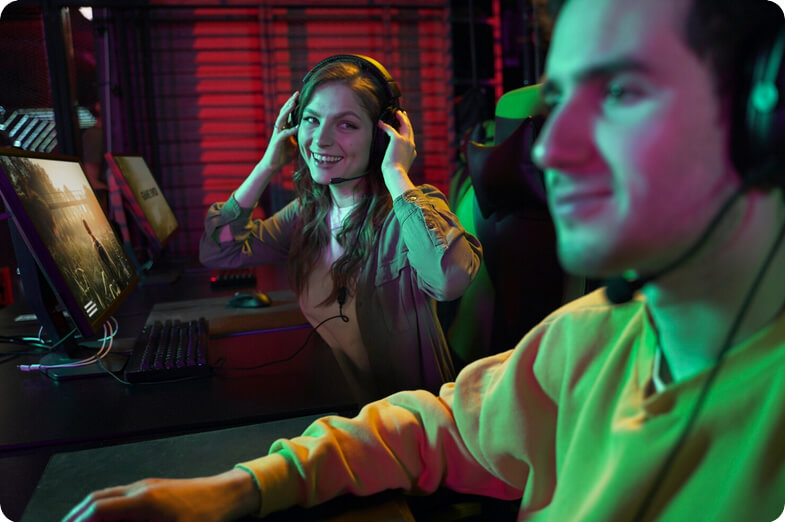
Gaming Has Always Been About Reading Patterns
Every competitive game is built on patterns. Enemy behaviour, spawn timings, cooldowns, map rotations, and meta shifts all follow logic. Skilled players learn to spot these signals early.
At first, this learning is subconscious. Players repeat matches. They lose. They try again. Over time, something changes. They stop reacting randomly and start anticipating outcomes.
This change is crucial. It’s the point where gaming stops being pure entertainment and becomes a form of problem-solving.
The Rise of Data Awareness in Modern Games
Older games relied more on instinct. Modern competitive games rely heavily on data. Players now track:
- Win rates
- Loadout efficiency
- Match history
- Opponent tendencies
- Patch changes
Even casual players often review stats after matches. This habit trains the brain to treat outcomes as data points rather than emotional wins or losses.
It’s common to hear players say things like “the numbers didn’t support that move” or “the odds weren’t in our favour.” That language mirrors analytical thinking found in finance, sports analytics, and prediction modelling.
Why Gamers Learn Faster Than They Realise?
One reason gamers adapt quickly is feedback speed. In many competitive games, results appear almost instantly. You try a strategy. It fails or succeeds. You adjust.
This loop repeats dozens of times in a single session.
Fast feedback builds intuition grounded in evidence. Over time, players develop a strong internal sense of probability. They know when a risk is worth taking and when it’s not.
This doesn’t mean gamers always make perfect decisions. But it does mean they understand why decisions work or fail.

Skill Transfer Beyond the Game
The habits built in gaming rarely stay inside the game. Many players notice they apply the same thinking elsewhere.
For example:
- They research before committing time or money
- They compare multiple sources
- They track trends instead of single outcomes
- They accept losses as part of learning
These behaviours appear in many digital environments. One interesting crossover is how players analyse external systems using familiar logic. Some apply gaming-style analysis when reviewing entertainment platforms, competitions, or performance-based digital services.
That’s why resources offering UK-focused insights into cycling betting appeal to analytically minded users – the structure feels familiar. It’s about form, data, consistency, and probability, not blind guessing.
Esports Made Prediction Mainstream
Esports played a big role in normalising prediction culture. Viewers don’t just watch matches. They study them. They look at drafts, player form, map selection, and historical performance.
Match previews often read like analytical reports. They break down strengths, weaknesses, and potential outcomes. Fans discuss scenarios in forums, comparing stats and outcomes in detail.
This environment trains people to think in probabilities, not certainties. A team can be favoured and still lose. A risky play can still work. What matters is whether the decision made sense at the time.
Why Gamers Respect Variance?
One of the most valuable skills gaming teaches is respect for variance. Even perfect execution doesn’t guarantee success. Randomness exists. Opponents adapt. Systems change.
Good players accept this. They don’t panic after one bad outcome. They look at trends across many matches. They understand that performance must be judged over time.
This mindset is rare outside gaming but incredibly useful. It helps people stay calm, objective, and focused on improvement rather than emotion.
The Role of Meta and Adaptation
Every competitive game has a meta. Strategies rise, peak, and fall. Players who succeed long-term are those who adapt early.
This teaches an important lesson: systems are not static.
Gamers learn to:
- Watch for changes
- Test new approaches
- Abandon outdated strategies
- Learn continuously
This approach applies well to any evolving digital environment. Whether it’s content creation, platform analysis, or performance evaluation, the ability to adapt quickly matters more than sticking to what once worked.
Community Analysis and Collective Intelligence
Gaming communities amplify analytical thinking. Players share findings, theories, and data. One person tests something. Another confirms it. A third challenges it.
Over time, the community refines understanding. This collective intelligence is powerful. It mirrors how open-source development or financial research communities operate.
Forums, Discord servers, and comment sections become living knowledge bases. Players learn not just from experience, but from discussion.
This habit builds critical thinking. Players learn to question sources, compare opinions, and verify claims.
Why Prediction Is About Discipline, Not Guessing?
From the outside, prediction can look like guessing. Gamers know better.
Good prediction relies on:
- Preparation
- Context
- Discipline
- Emotional control
Gaming punishes impulsive decisions. Players who chase outcomes usually lose. Those who stay disciplined perform better over time.
This lesson sticks. It shapes how players approach any system where outcomes matter.
Gaming as a Training Ground for Modern Thinking
It’s easy to dismiss gaming as entertainment only. But competitive gaming builds real skills. Pattern recognition. Risk assessment. Adaptation. Emotional control.
These skills matter in a world full of data and fast-moving systems.
Gamers are comfortable navigating uncertainty. They don’t need guarantees. They look for edges, probabilities, and trends.
That mindset is becoming more valuable every year.

Where This Culture Is Heading?
As games become more complex and data-rich, this analytical culture will grow. More players will learn to think in systems. More communities will form around analysis rather than hype.
Prediction, once seen as speculation, is now about informed decision-making. Gaming helped make that shift happen.
For those paying attention, the lessons are clear. Success comes from preparation, patience, and understanding patterns over time.
Gaming didn’t just create better players. It created better thinkers.
