

If you’re building interactive experiences of any kind, then you need to pay attention to visual aesthetics. That, amongst other things, means having a decent grasp of the basics of colour theory.
In a gaming context, this is not just a matter of knowing which colours work well together and assembling a palette that will reflect the mood you’re trying to create. It’s also a matter of guiding the player’s attention and suggesting the function of any given area of the interface.

The psychology behind colour and player behaviour
Different colours have different connotations. This can vary from one person to the next, however. Generally speaking, red is seen as attention-grabbing, while blue is regarded as peaceful and stable.
In some cases, the appropriate colour is a matter of convention – even if the convention is derived, to some extent, on innate psychology. You can expect a health bar in a game to reflect the ‘traffic light’ colours. You might see a green bar turn red as it’s depleted; the opposite will almost never happen.
Colour as a decision-making trigger in gameplay
In some cases, a certain hue might be associated with an in-game action or cue. For example, the first-person parkour game mirror’s edge used a saturated shade of red to indicate which elements of the environment could be interacted with.
This is particularly important when the action is fast-paced, and it’s important that the player doesn’t have to stop to read messages, interpret symbols, or do any thinking at all. In online casino design, where every second matters and competition for attention is fierce, this is a major concern.
Gamification and motivation through colour psychology
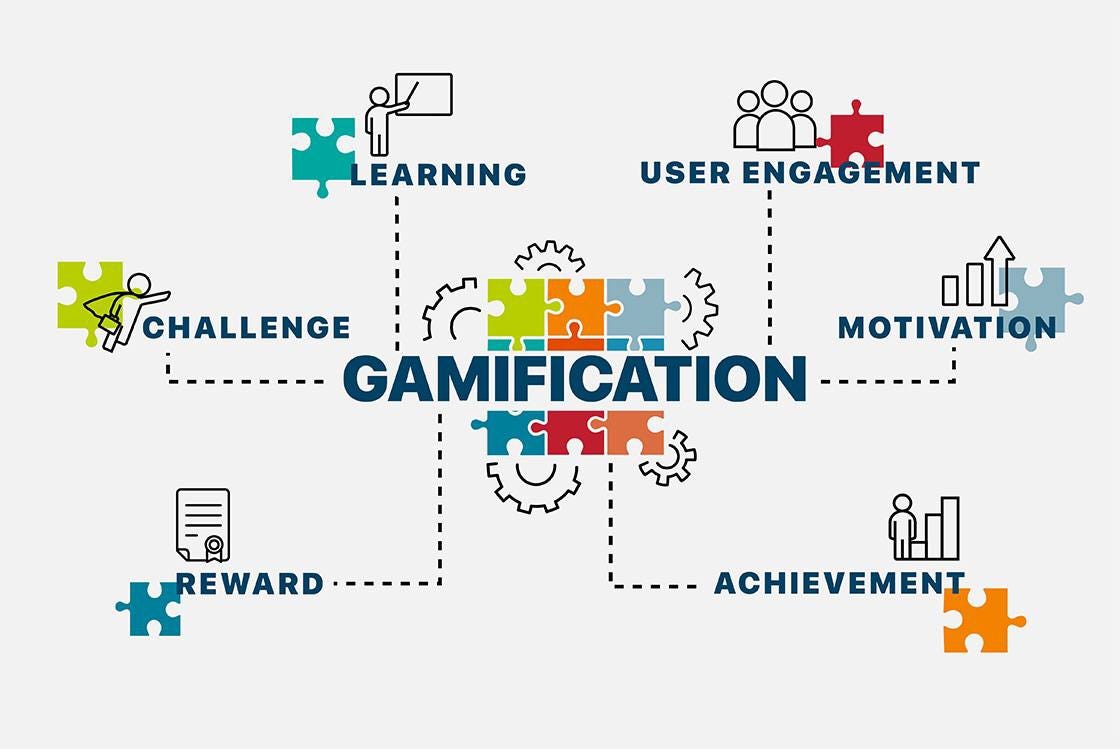
Colours can be a powerful way of coaxing a player from one reward to the next. A particularly eye-catching combination of colours might be unleashed at a pivotal moment, in order to heighten the sense of euphoria when a big win arrives.
Of course, this is most effective when the contrast between normal gameplay and a victory is strongest, which is a good reason to keep palettes slightly muted so that those big moments are that little bit more appealing.
Branding and colour
Of course, the colours you use in a game are a chance to reinforce the brand, and to remind players of the game they’re playing. When colours are deployed consistently, in a way that aligns with user expectations, the result is often a more loyal player base.
