

Survival in Arc Raiders demands more than raw shooting skill. The game’s three-way conflict between players, hostile machines, and environmental hazards creates situations where a coordinated squad consistently outperforms individual talent.
Understanding how to build a balanced team and communicate effectively transforms chaotic raids into controlled operations, turning potential disasters into successful extractions with maximum loot.
The Three-Role Framework
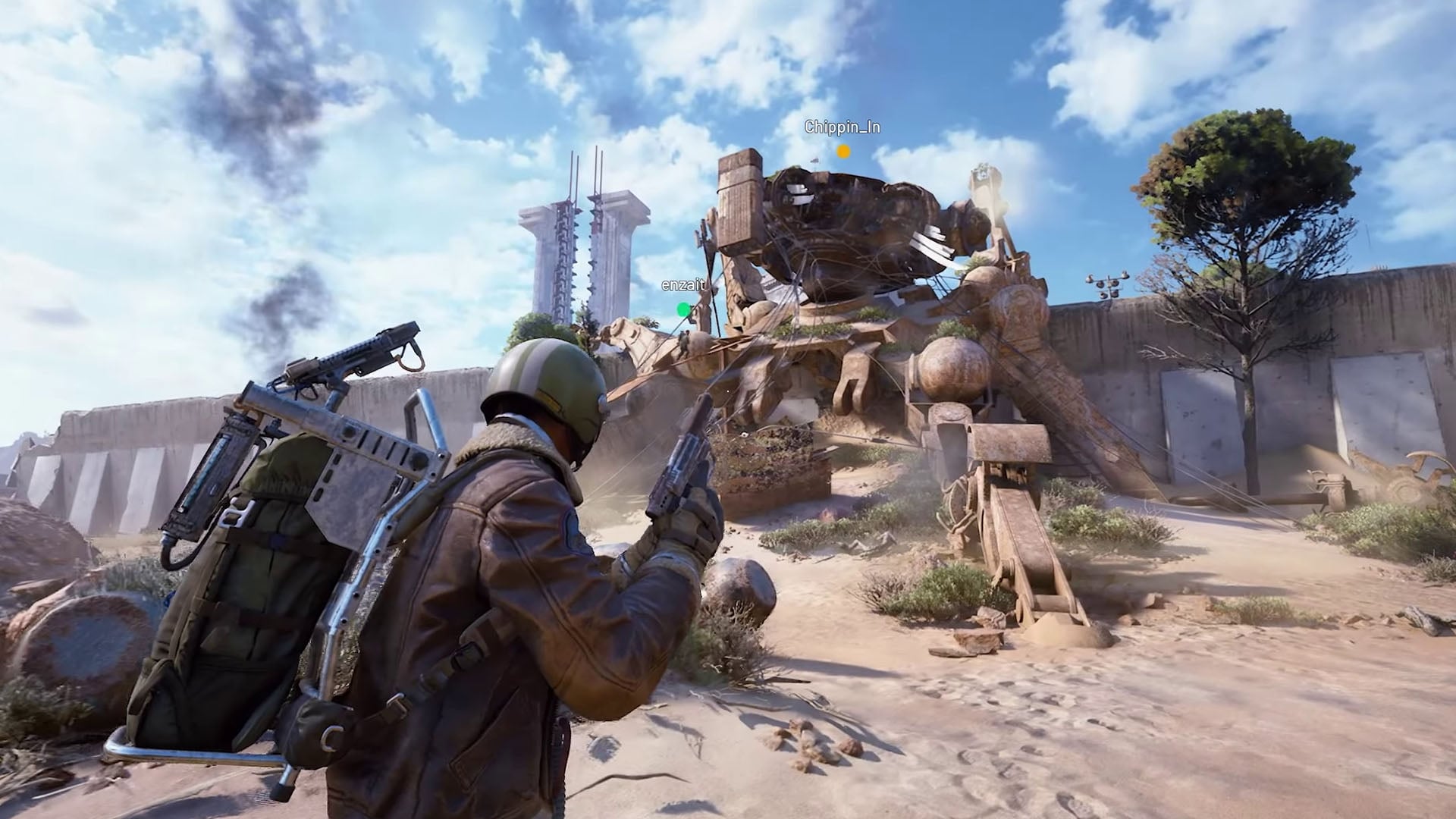
Every successful Arc Raiders squad needs scouts, anchors, and specialists. These roles aren’t rigidly defined by the game—instead, they emerge naturally from how teams distribute responsibilities during raids. Understanding each role’s purpose helps squads function smoothly under pressure.
Scouts move ahead of the group, gathering information about enemy positions, resource locations, and potential threats.
They carry lighter loadouts prioritizing mobility and detection tools over raw firepower. A good scout spots danger before it becomes lethal, giving their team time to prepare or avoid fights entirely.
Anchors form the squad’s defensive core. They carry heavier armor and weapons, positioning themselves to absorb damage during firefights.
When the team needs to hold position—defending a hack point or covering an extraction zone—anchors make it possible. Their presence lets scouts and specialists take risks knowing someone can cover their retreat.
Specialists fill situational needs based on the raid’s objectives. Need to take down a heavy machine quickly? Bring someone spec’d for anti-armor damage.
Planning to hit high-value data nodes? A specialist with hacking tools speeds up the process. Flexibility in this third slot lets squads adapt to different challenges without completely rebuilding their composition.
Loadout Synergy Matters
Teams function best when individual loadouts complement each other rather than competing for the same resources or roles.
Three players running identical assault rifle setups might feel balanced on paper, but they’ll struggle when facing situations that demand specialized tools.
Mix your engagement ranges. One player with a long-range weapon can suppress enemies or machines from safety while close-range specialists push forward. This crossfire creates kill zones where enemies can’t find safe positions, ending fights quickly with minimal risk.
Equipment diversity also matters during resource gathering. If everyone’s carrying the same hacking tool, you’re wasting inventory space.
Distribute utility items across the squad—one player brings medical supplies, another carries extra ammunition, a third focuses on electronic components for field crafting. This distribution means the team has answers to multiple problems without any individual member being overloaded.
The Arc Raiders Blueprint system rewards teams that plan their crafting together. Coordinating who crafts which equipment prevents resource waste and ensures the squad maintains balanced capabilities.
If everyone’s burning rare materials trying to craft the same legendary weapon, your team’s overall power stagnates.
Communication Protocols Under Fire
Clear communication separates mediocre squads from great ones. When bullets fly and machines charge your position, there’s no time for lengthy explanations. Establishing simple callout systems before raids prevents confusion during critical moments.
Develop a shared vocabulary for common situations. “Contact front” means enemy players spotted ahead. “Machines left” indicates AI threats approaching from that direction.
“Falling back” tells your team you’re retreating and they shouldn’t expect covering fire from your position. These short phrases convey essential information without cluttering voice chat.
Priority callouts deserve interruption rights. If someone spots a squad of enemy players flanking your position, that information takes precedence over discussions about loot distribution.
Agree beforehand which situations warrant talking over teammates—incoming threats, critical damage to squad members, and extraction opportunities typically qualify.
Between fights, keep communication minimal but purposeful. Constantly chattering about minor observations creates noise that masks important information.
Save voice chat for meaningful updates: resource discoveries, position changes, and tactical decisions. Learn to trust your teammates to handle minor situations without micromanagement.
Decision-Making Hierarchies
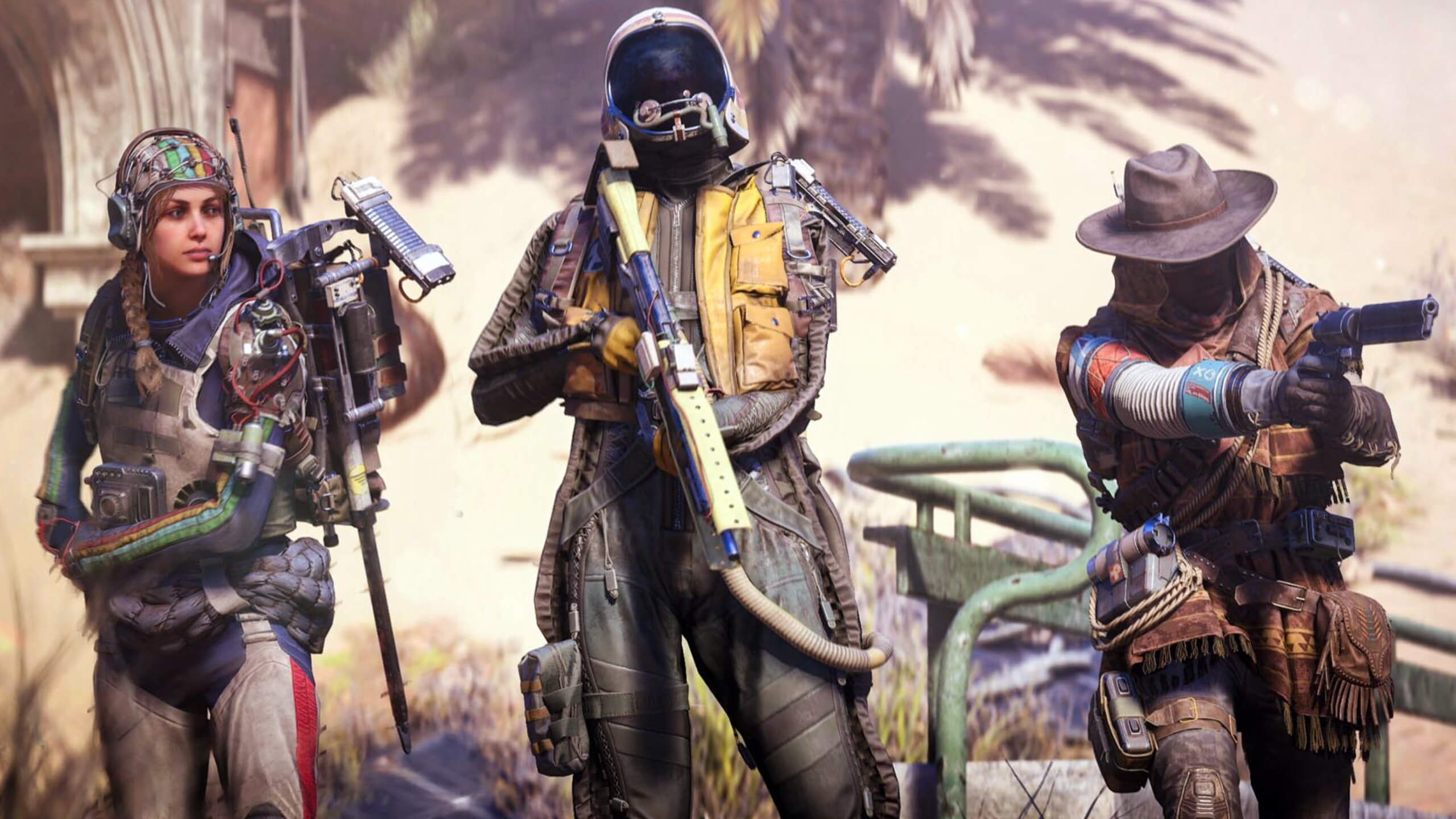
Squads need clear decision-making processes. When three people have different opinions about whether to push toward gunfire or extract immediately, standing around debating gets you killed. Establishing a shot-caller before raids eliminates this paralysis.
The shot-caller doesn’t need to be the most skilled player—they need to make decisive calls that the team commits to executing.
A mediocre plan executed together beats a perfect plan where half the squad disagrees and acts independently. Once someone calls an action, the team follows through unless circumstances change dramatically.
Rotate the shot-caller role between raids. This prevents burnout and develops leadership skills across the entire squad. It also helps everyone understand the pressure of making calls under stress, creating more patient and supportive teammates when they’re not in charge.
Allow challenges only during planning phases or after extractions. If someone disagrees with a call during combat, they still execute it—then afterward, the team discusses what worked and what didn’t. This post-action review process improves future performance without creating mid-raid arguments.
Managing the Third Party Problem
Arc Raiders’ PvPvE nature creates complex situations where you’re fighting players while machines attack both groups. These three-way battles require different tactics than pure PvP or PvE encounters.
Use machines as distractions. If you’re outgunned by an enemy squad, retreat toward machine patrols. Let the robots engage your pursuers while you reposition or escape. This turns your numerical disadvantage into an opportunity by adding chaos that skilled opponents can’t fully control.
Never ignore machine threats during player fights. Focusing entirely on enemy players while robots flank your position leads to squad wipes.
Assign one team member to handle machine aggro during PvP engagements, keeping your flanks clear while others focus on human opponents.
Sometimes cooperation with enemy players makes sense. If a massive machine threatens both squads, temporary truces let everyone survive and continue competing afterward. These fragile alliances require careful reading of situations—extend trust rarely and break alliances before others do.
Extraction Timing and Positioning
The extraction phase represents raids’ most vulnerable moment. Your team is loaded with loot, probably low on resources, and heading toward predictable locations. Smart squads prepare for extractions long before reaching the extraction point.
Scout extraction zones before committing. Send your fastest player ahead to check for campers or machine patrols.
Finding enemies at the extraction point before your entire squad walks into the kill zone saves runs that would otherwise end in disaster. If the area’s compromised, you can wait, choose an alternate extraction, or clear the threat on your terms.
Stage resources near extraction points during the raid. Instead of carrying everything until the last moment, stash valuable items near your planned extraction route.
If you get into fights during extraction, you can abandon low-value loot and return for stashes after securing safety. This reduces what you risk during the most dangerous phase.
Always have a backup extraction plan. If your primary extraction point gets compromised, immediately pivot to an alternate without debate.
Hesitation while loaded with loot invites disaster. Know where secondary extraction points sit and how to reach them quickly from any position on the map.
Building Chemistry Through Repetition
Squad synergy doesn’t happen overnight. Teams that play together regularly develop implicit communication—they know how teammates react to situations and anticipate each other’s movements without constant verbal updates.
Run practice raids with specific goals beyond just extraction. Dedicate sessions to practicing combat drills, testing new loadout combinations, or exploring map areas thoroughly. These focused practice sessions build familiarity with both your teammates and the game’s systems.
Review successful raids to understand what worked, not just failed ones. Teams often analyze mistakes but ignore successes, missing opportunities to identify patterns that led to good outcomes. Understanding why something succeeded lets you replicate those conditions intentionally.
Accept that some personality combinations don’t mesh well. If communication stays frustrating despite practice, it might be a compatibility issue rather than skill deficit.
Finding teammates whose communication styles align naturally makes the game more enjoyable and successful without forcing awkward adjustments.
Adapting to Skill Disparities
Real squads rarely feature three equally-skilled players. Managing skill differences keeps everyone engaged without handicapping stronger players or overwhelming weaker ones.
Give newer players meaningful responsibilities that match their skill level. Scouting requires awareness and communication more than combat prowess.
Resource gathering keeps less experienced players productive without putting them in fights they can’t handle. As skills develop, naturally expand their role without formal announcements that might feel condescending.
Strong players should resist the urge to solo carry. When one player does everything, others don’t learn or improve. Share kills, let teammates handle situations slightly above their comfort zone, and provide coaching between raids rather than during them.
Celebrate squad successes rather than individual performance. When the team extracts successfully, everyone contributed somehow.
This mindset keeps morale high and prevents weaker players from feeling like burdens or stronger players from developing inflated egos that harm team cohesion.
