

Mobile gamers today are witnessing near-instantaneous load times, reduced lag, and smoother gameplay, qualities that 5G networks deliver by providing ultra-low latency and high bandwidth.
These advancements are particularly crucial for complex real-time multiplayer games, where every millisecond counts. Let’s take a look at how 5G impacts online mobile gaming.
Enhancing Online Gambling with 5G
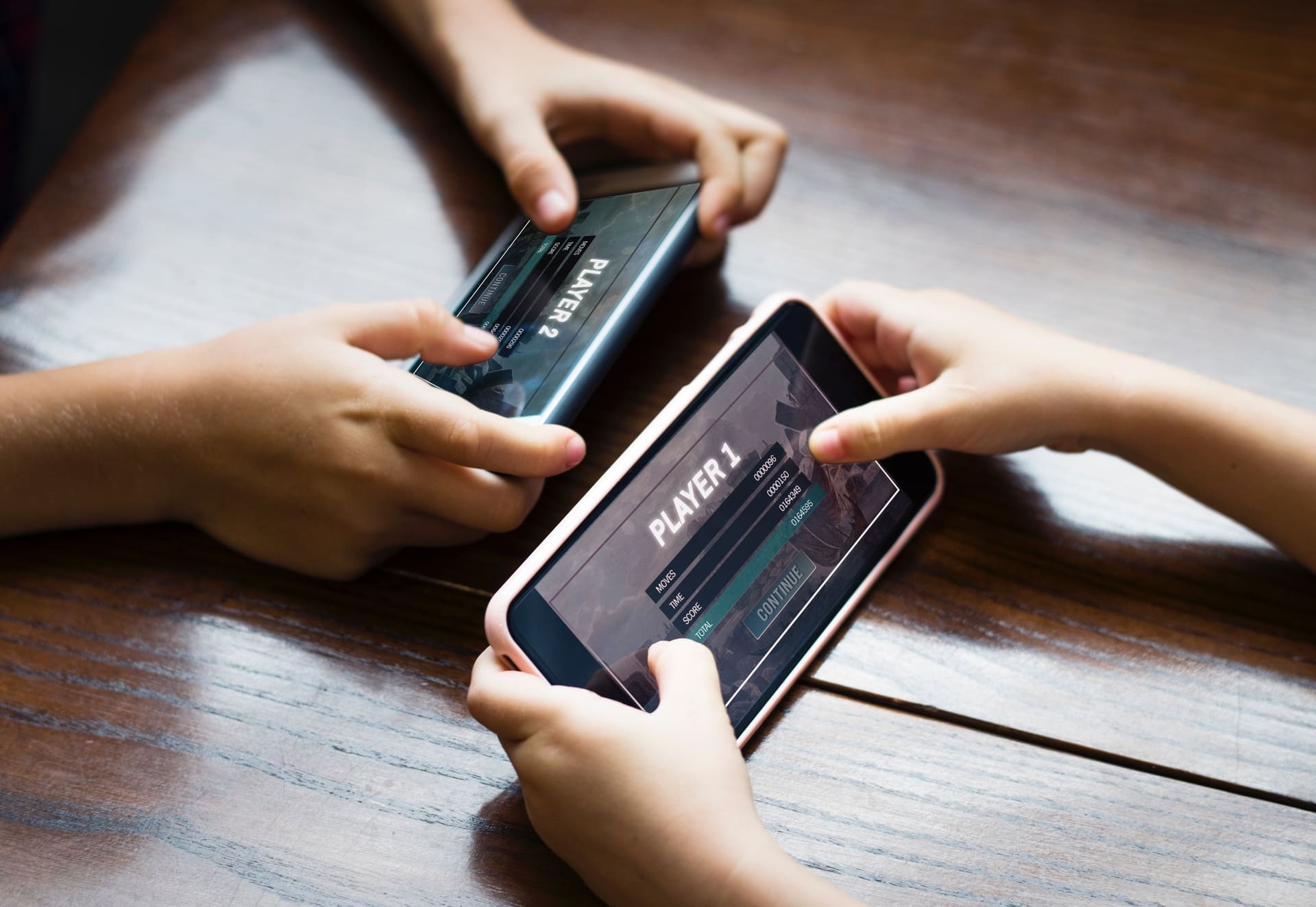
One area where 5G’s impact is already manifesting is in the seamless online experience it fosters, extending even into the realm of online gambling. The improved connectivity allows players to explore casino games with the best odds more effortlessly and enjoyably than ever before.
Instantaneous data transmission means that bets are placed and outcomes revealed in real time without frustrating delays.
This dynamic is crucial for the growth of mobile iGaming, encouraging developers to innovate with live dealer games and interactive multiplayer formats that leverage 5G’s capacity for real-time interaction.
Reduced Lag in Fast-Paced Games Like Call of Duty Mobile
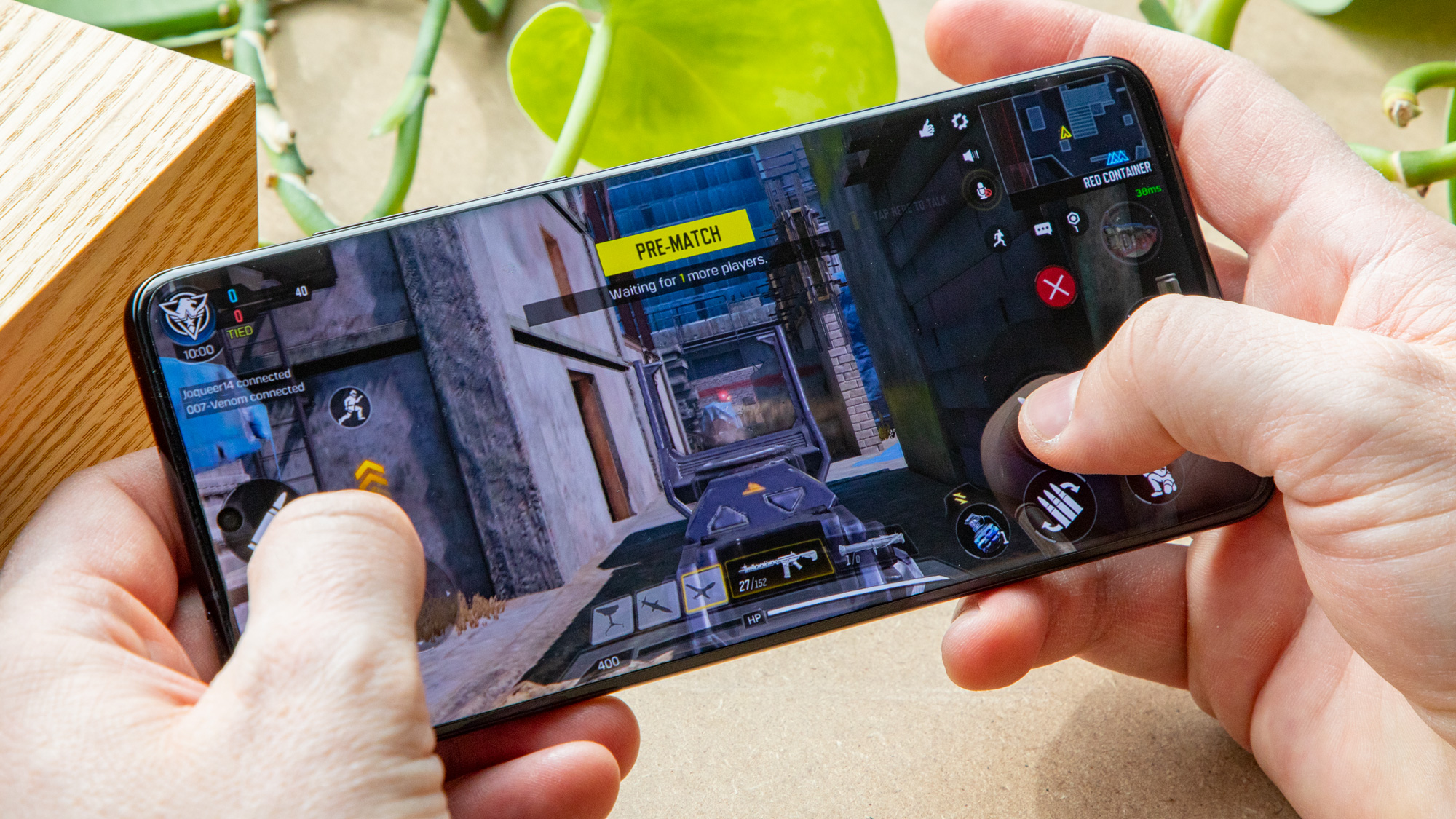
In popular titles like Call of Duty Mobile, 5G is instrumental in reducing lag, which has historically been a major pain point for competitive and cooperative play.
Lag can mean the difference between victory and defeat; delays in communication cause bullets to miss, move sets to fall out of sync, or player actions to be registered too late.
With 5G networks providing latency often less than 10 milliseconds, the gameplay becomes almost indistinguishable from a wired console experience.
Players can engage in fast-paced shootouts, coordinate strategy with teammates, and respond instantaneously to in-game events without interruption.
Enabling Massive Online Battles and New Game Genres
Beyond reducing lag, 5G also expands the scale and complexity of multiplayer mobile games. It enables the rise of massive online battle games on mobile platforms—titles that feature hundreds or even thousands of concurrent players in persistent, evolving virtual worlds.
Games that once required the heavy infrastructure of PCs or consoles can now move to mobile devices without sacrificing performance or graphical fidelity.
This opens doors to new genres and richer social experiences, from large-scale battle royales to expansive MMORPGs, deeply engaging players with continuous storylines and vast multiplayer maps.
5G’s Impact on Monetization and Player Engagement
The edge 5G provides is not only technical but also commercial. Faster and more reliable networks mean mobile gamers spend more time actively engaged, boosting opportunities for in-game purchases and subscriptions.
Developers are encouraged to innovate with real-time multiplayer modes that keep users connected longer and more consistently. In a sector increasingly dominated by mobile consumption, these advantages translate into both happier players and stronger monetization models.
Boosting Mobile Esports with Ultra-Low Latency
This technological leap is also influencing competitive esports on mobile platforms. With 5G reducing latency and maintaining smooth visuals under high load, mobile esports tournaments can be more technical, fair, and broadcast-ready.
Fans and spectators benefit from fluid streams, while competitors enjoy a level playing field closer to PC or console standards.
This shift is attracting more investment and visibility to mobile esports, expanding the ecosystem and creating more opportunities for professional mobile gamers worldwide.
Driving AR and VR Gaming Innovation
Additionally, 5G drives innovation in augmented reality (AR) and virtual reality (VR) gaming experiences on mobile devices. Low latency and high-speed data transfer are essential for rendering real-time AR overlays and VR environments without disorientation or lag.
These immersive experiences are becoming increasingly social and multiplayer-focused, blending gaming with real-world interaction and opening further avenues for next-generation mobile games.
Transforming iGaming with Real-Time Interactivity
In the context of igaming, the synergy with 5G extends to new hybrid formats where skill-based gameplay merges with traditional chance-based betting.
Players can participate in real-time competitions or tournaments, leveraging rapid network speeds to engage with others across the globe in a shared experience.
The technology reduces disruptions in live dealer casino games, improving reliability and immersion, which makes mobile platforms more competitive with land-based venues.
A New Era for Mobile Gaming and iGaming
In summary, 5G networks are transforming mobile multiplayer gaming by eliminating lag and enabling real-time responsiveness, which are critical for titles like Call of Duty Mobile and for the emergence of massive online battle games on portable devices.
This revolution extends to the online gambling space, enhancing access to casino games with the best odds and expanding the scope for live, skill-based interactive formats within mobile igaming.
As 5G continues to roll out worldwide, mobile gaming is poised for a new era characterized by richer, faster, and more socially connected gameplay experiences.
