

Power outages can strike without warning, leaving homes in darkness and disrupting daily life. Whether caused by severe weather, grid failures, or maintenance work, these interruptions highlight our dependence on reliable electricity.
Traditional backup solutions like gas generators come with noise, fumes, and ongoing fuel costs that make them less than ideal for modern homeowners seeking sustainable alternatives.
Solar generators have emerged as a clean, quiet, and increasingly affordable solution for home backup power. These innovative systems combine solar panels with battery storage to capture and store energy from the sun, providing electricity whenever you need it.
Unlike conventional generators, they require no fuel, produce zero emissions, and operate silently. As technology advances and more homeowners prioritize energy independence, solar generators are becoming the preferred choice for reliable backup power that aligns with environmental values while delivering practical performance during emergencies.
Introduction to Solar Generators
Solar generators represent a fundamental shift in how homeowners approach backup power. Unlike traditional fuel-powered generators, these systems harness sunlight through photovoltaic panels and convert it into usable electricity stored in built-in batteries.
The technology has matured significantly over the past decade, making solar generators increasingly practical for residential applications.
At their core, solar generators consist of three main components: solar panels that capture sunlight, a charge controller that regulates energy flow, and a battery bank that stores power for later use.
Many modern units integrate an inverter to convert stored DC power into standard AC electricity that runs household appliances.
This all-in-one design eliminates the complexity of assembling separate components, making solar backup power accessible to average homeowners without technical expertise.
The benefits extend beyond simple convenience. Solar generators operate silently, making them ideal for residential neighborhoods where noise ordinances restrict traditional generator use. They produce no exhaust fumes, allowing safe indoor operation during emergencies.
Once installed, they require minimal maintenance and no ongoing fuel purchases, reducing long-term operating costs.
As solar panel efficiency improves and battery technology advances, these systems now offer sufficient capacity to power essential home circuits for extended periods, bridging the gap between temporary outages and prolonged grid failures while supporting a transition toward renewable energy independence.
Understanding Off-Grid Power
Off-grid power systems operate independently from the traditional electrical grid, generating and storing electricity on-site without reliance on utility companies.
This self-sufficiency appeals to homeowners seeking energy independence, those in remote locations where grid connection is impractical or expensive, and individuals preparing for extended power disruptions.
Solar generators serve as accessible entry points into off-grid living, offering scaled solutions that range from powering a few essential appliances to supporting entire households.
The transition to off-grid power requires understanding your energy consumption patterns. Most households use electricity inconsistently throughout the day, with peak demand during morning and evening hours.
A properly sized off-grid solar system accounts for these fluctuations by capturing excess energy during sunny periods and storing it for use during nighttime or cloudy weather.
This storage capacity distinguishes true off-grid systems from simple solar panels, which only generate power when the sun shines.
Modern solar generators make off-grid power manageable by integrating generation, storage, and power management into compact units. They eliminate the complexity of designing custom systems while providing expandable capacity through additional solar panels or battery modules.
For homeowners not ready to disconnect completely from the grid, these systems function as hybrid solutions that reduce utility dependence during normal conditions and provide complete backup capability during outages, creating a practical pathway toward greater energy autonomy without requiring immediate wholesale changes to home infrastructure.
The Importance of Battery Storage
Battery storage transforms solar panels from intermittent power sources into reliable backup systems. Without adequate storage capacity, solar energy can only power devices when the sun shines, leaving homes vulnerable during nighttime outages or extended cloudy periods.
The battery bank acts as an energy reservoir, capturing surplus electricity during peak sunlight hours and dispensing it on demand regardless of weather conditions or time of day.
Modern lithium-ion batteries have revolutionized solar generator performance through superior energy density and longevity compared to older lead-acid alternatives. These advanced batteries pack more power into smaller spaces, making portable and whole-home backup systems practical for residential use.
They also withstand thousands of charge cycles before capacity degradation becomes noticeable, providing years of dependable service. Temperature tolerance has improved as well, with quality lithium batteries maintaining performance across wider environmental ranges than previous technologies.
The storage capacity you need depends directly on your backup power goals. A system designed to run a refrigerator, lights, and communication devices during short outages requires far less capacity than one intended to power an entire home for multiple days.
Battery banks are measured in kilowatt-hours, representing the total energy available before recharging becomes necessary.
Calculating your essential load requirements helps determine appropriate storage capacity, while expandable systems allow homeowners to start with basic coverage and add battery modules as needs grow or budgets allow, creating flexible solutions that scale with changing circumstances.
Why Choose Solar Generators for Home Backup?
Solar generators address the most common frustrations homeowners face with traditional backup power. Gas generators require constant refueling during extended outages, forcing you to store flammable fuel and venture out during potentially dangerous conditions to find more.
The noise they produce disrupts neighborhoods and prevents indoor use, while toxic exhaust fumes create safety hazards. Solar generators eliminate all these concerns by operating silently from stored sunlight, producing zero emissions, and requiring no fuel runs during emergencies.
The financial advantages become clear over time. While solar generators typically cost more upfront than gas-powered alternatives, they eliminate recurring fuel expenses and require minimal maintenance beyond occasional cleaning.
Gas generators need regular oil changes, spark plug replacements, and carburetor servicing, with repair costs adding up over their lifespan.
Solar systems have fewer moving parts and modern lithium batteries that last for thousands of cycles, reducing long-term ownership costs significantly. Many homeowners recover the initial investment difference within a few years through eliminated fuel and maintenance expenses.
Environmental considerations increasingly influence purchasing decisions as climate awareness grows. Solar generators produce clean energy without contributing to air pollution or carbon emissions, aligning backup power needs with sustainability values. They also support broader energy independence goals by reducing reliance on fossil fuel infrastructure.
For homeowners with existing solar panel installations, adding battery storage creates synergy that maximizes renewable energy utilization while providing emergency backup capability, transforming rooftop panels from grid-tied accessories into comprehensive power security systems that function during both normal operation and utility failures.
EcoFlow DELTA: A Top Choice
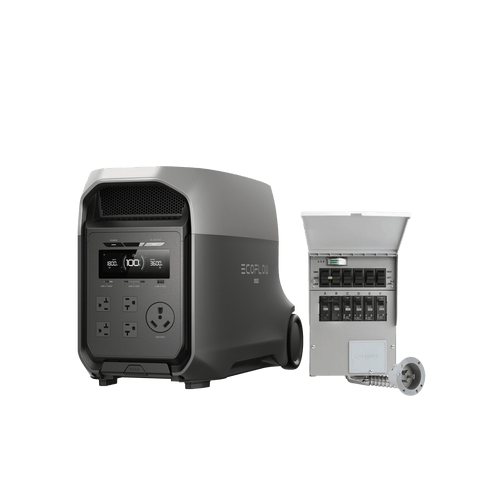
EcoFlow DELTA has established itself as a leading best solar generator for home backup through a combination of robust capacity, fast charging capabilities, and user-friendly design.
The system delivers substantial power output capable of running major household appliances, from refrigerators and medical equipment to power tools and electronics.
Its modular architecture allows homeowners to start with a base unit and expand capacity by adding extra batteries or solar panels as needs evolve, creating a flexible solution that grows alongside changing requirements.
What distinguishes EcoFlow DELTA from competing systems is its rapid recharge technology. The unit can reach full capacity in approximately two hours when connected to a wall outlet, significantly faster than most solar generators that require eight hours or more.
This quick turnaround proves invaluable during intermittent outages or when preparing for anticipated storms. When charging via solar panels, the system accepts high input wattage, enabling faster energy capture during limited sunlight hours compared to generators with restricted solar intake capacity.
The practical design considerations make EcoFlow DELTA particularly suitable for residential backup applications. Multiple output ports accommodate various device types simultaneously, from standard AC outlets for household appliances to USB ports for phones and tablets.
The integrated display provides real-time information about remaining battery capacity, current power draw, and estimated runtime, helping homeowners manage energy consumption during extended outages.
Built-in surge protection safeguards sensitive electronics, while the durable construction withstands the demands of emergency use and occasional transportation, making it equally effective as a stationary home backup system or portable power source for outdoor activities and remote work situations.
Features and Benefits of EcoFlow DELTA
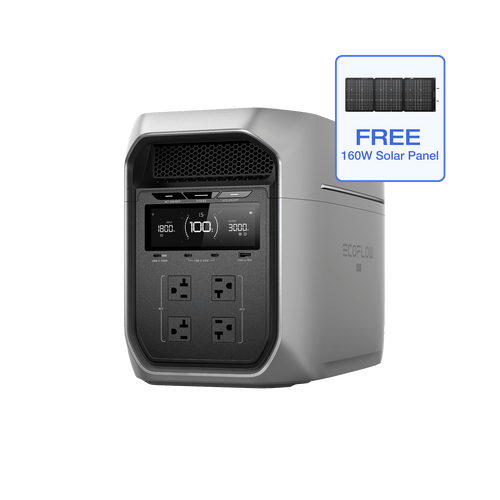
The power output capacity of EcoFlow DELTA stands as one of its most compelling features, delivering up to 1800 watts of continuous power with surge capability reaching 3300 watts.
This substantial output handles demanding appliances that smaller generators cannot support, including refrigerators, sump pumps, window air conditioners, and medical devices like CPAP machines.
The ability to power multiple devices simultaneously through thirteen output ports means families can maintain essential functions during outages without choosing between refrigeration and lighting.
Battery capacity determines how long your backup power lasts, and EcoFlow DELTA provides 1260 watt-hours in its base configuration. This translates to approximately twenty hours of refrigerator operation, over one hundred smartphone charges, or ten hours of laptop use.
The expandable design allows connection of additional battery units that triple total capacity, extending runtime for days rather than hours during prolonged outages. The lithium-ion battery chemistry ensures consistent power delivery even as charge depletes, unlike some technologies that experience voltage drops affecting appliance performance.
Charging versatility gives EcoFlow DELTA an edge in real-world emergency scenarios. Beyond the remarkably fast AC wall charging, the system accepts solar input up to 400 watts, enabling full recharge in four to eight hours depending on panel size and sunlight conditions.
Car charging capability provides another option during evacuations or when stationary power sources are unavailable. This multiple-input flexibility means you can replenish power reserves through whatever means circumstances allow, maintaining backup capability even during extended grid failures.
The smart management system optimizes performance while protecting your investment. Built-in battery management prevents overcharging, overheating, and excessive discharge that degrades battery life. The system automatically balances cell charging to maximize longevity and maintains optimal performance across thousands of cycles.
Temperature sensors adjust charging rates in extreme conditions, while short-circuit protection and surge suppression safeguard connected devices.
The intuitive mobile app provides remote monitoring and control, allowing you to check battery status, adjust settings, and receive alerts about system performance from anywhere in your home, giving you complete visibility into your backup power reserves without physically checking the unit during stressful emergency situations.
Installation and Setup
Setting up the EcoFlow DELTA requires minimal technical expertise, making it accessible for homeowners without electrical backgrounds. Begin by selecting an appropriate location for the unit, preferably in a cool, dry area away from direct sunlight and moisture.
Basements, utility rooms, or garages work well for stationary installations, while the unit’s portability allows repositioning as needs change.
Ensure adequate ventilation around the device even though it produces no exhaust, as the battery management system releases minor heat during charging and heavy use.
Connecting solar panels represents the most involved aspect of setup, though modern plug-and-play designs simplify the process considerably.
Position panels in locations receiving maximum sunlight exposure, typically south-facing roofs or open yard spaces in the northern hemisphere. Most installations use MC4 connectors that snap together securely, linking panels to the generator’s solar input port.
If mounting panels permanently, use appropriate racking systems designed for your roof type, or consider ground mounts for temporary installations.
String multiple panels in series or parallel configurations to match the generator’s voltage and amperage requirements, consulting the manufacturer’s guidelines to avoid exceeding input limits.
Initial charging prepares the system for immediate use during emergencies. Plug the unit into a standard wall outlet and allow it to reach full capacity, which takes approximately two hours with EcoFlow DELTA’s rapid charging technology.
This first charge calibrates the battery management system and ensures maximum capacity availability. Test all output ports by connecting various devices to verify proper operation before relying on the system during actual outages.
Program any smart features through the mobile app, setting preferences for charging priorities, power-saving modes, and notification alerts.
Create a simple diagram showing which essential appliances connect to which outlets, streamlining the connection process during stressful emergency situations when quick setup becomes critical.
For homeowners integrating the generator into existing solar installations, coordination with your current system may require professional consultation. Grid-tied solar systems typically shut down during outages for safety reasons, but adding battery backup with proper transfer switches allows continued operation.
This integration transforms your solar panels into true backup power sources rather than grid-dependent accessories, though the electrical work involved often necessitates licensed electrician involvement to ensure code compliance and safe operation.
Maintenance and Longevity
Solar generators require remarkably little maintenance compared to fuel-powered alternatives, though simple care routines maximize performance and extend lifespan. The absence of combustion engines eliminates oil changes, air filter replacements, and carburetor cleaning that traditional generators demand.
Instead, maintenance focuses on keeping solar panels clean, monitoring battery health, and ensuring proper storage conditions. These straightforward tasks take minimal time and require no specialized tools or technical knowledge.
Solar panel cleaning represents the most frequent maintenance activity, as dust, pollen, and debris accumulation reduces energy capture efficiency. Inspect panels monthly and clean them when visible dirt appears, using plain water and a soft cloth or sponge.
Avoid abrasive materials or harsh chemicals that might scratch protective coatings or damage photovoltaic cells. In areas with regular rainfall, nature often handles cleaning automatically, though bird droppings and sticky residue may require manual attention.
Panels installed at steep angles shed debris more effectively than flat-mounted units, reducing cleaning frequency.
Battery maintenance primarily involves monitoring charge levels and avoiding practices that accelerate degradation. Lithium-ion batteries in quality solar generators include management systems that handle most protection automatically, but user habits still impact longevity.
Avoid depleting batteries completely on a regular basis, as deep discharges stress cells and reduce total cycle life. Similarly, leaving batteries at full charge for extended periods without use can diminish capacity over time.
For optimal longevity, maintain charge levels between twenty and eighty percent during storage, and cycle the battery every few months if the generator sits unused for long periods.
Environmental conditions significantly affect battery lifespan. Store the unit in temperature-controlled spaces when possible, as extreme heat accelerates chemical degradation while freezing temperatures temporarily reduce capacity and can damage cells if charging occurs below freezing.
Humidity control prevents corrosion of electrical connections and protects electronic components. When using the generator outdoors during emergencies, return it to controlled indoor environments as soon as practical.
Firmware updates maintain optimal performance as manufacturers refine battery management algorithms and add features.
Check for updates through the mobile app quarterly, installing them when available to benefit from improved efficiency and functionality. Inspect cables and connectors periodically for wear or damage, replacing any components showing fraying or corrosion before they fail during critical use.
Keep a maintenance log noting cleaning dates, firmware versions, and any performance changes, creating a record that helps identify developing issues before they become serious problems.
With proper care, quality solar generators like EcoFlow DELTA deliver reliable service for ten to fifteen years, with batteries retaining eighty percent or more of original capacity after thousands of charge cycles.
This longevity far exceeds typical gas generator lifespans while requiring a fraction of the maintenance effort, making solar backup power not just environmentally superior but also more practical for long-term residential use.
The minimal upkeep requirements mean homeowners can maintain emergency preparedness without dedicating significant time or expense to generator maintenance, ensuring backup power remains ready whenever outages occur.
Long-Term Value and Investment Returns
The initial investment in a solar generator typically ranges higher than comparable gas-powered units, creating sticker shock for budget-conscious homeowners. However, a comprehensive cost analysis reveals that upfront price differences diminish rapidly when accounting for total ownership expenses.
Gas generators require ongoing fuel purchases that accumulate significantly over time, especially during extended outages or frequent use.
A typical gas generator consumes several gallons daily under moderate load, translating to hundreds of dollars annually in fuel costs alone. Solar generators eliminate this recurring expense entirely, drawing free energy from sunlight after the initial equipment purchase.
Maintenance costs further tip the financial balance toward solar solutions. Traditional generators demand regular servicing including oil changes every fifty hours of operation, spark plug replacements, air filter cleaning, and periodic carburetor maintenance.
These tasks require either DIY time investment or professional service fees that compound over the generator’s lifespan. Parts wear out and need replacement, with repair costs escalating as engines age.
Solar generators avoid these mechanical complexities through solid-state electronics and sealed battery systems that require virtually no maintenance beyond occasional panel cleaning. The absence of moving parts and combustion processes eliminates most failure points that plague conventional generators.
Long-term value calculations must consider equipment lifespan and replacement cycles. Gas generators typically last five to ten years with proper maintenance before major repairs become necessary or replacement makes more economic sense.
Quality solar generators with lithium batteries provide ten to fifteen years of reliable service, with batteries retaining eighty percent capacity after thousands of cycles. This extended operational life means fewer replacement purchases over decades of homeownership, reducing the annualized cost of backup power security.
Environmental and health benefits carry monetary value that traditional cost analyses often overlook. Solar generators produce zero emissions, avoiding air pollution that contributes to respiratory problems and climate change.
They operate silently, preserving neighborhood tranquility and eliminating noise-related stress during already difficult outage situations. The ability to use solar generators safely indoors prevents carbon monoxide risks, making them a safer choice for families during emergencies.
