

Esports has evolved far beyond casual competitive gaming into a global entertainment phenomenon. Millions of fans now follow professional tournaments, track team rankings, and engage with real-time match updates daily.
Watching live matches is no longer just a pastime — it has become an essential part of the esports lifestyle. From global championships to regional qualifiers, real-time engagement keeps fans connected to the competitive scene.
As technology improves and online platforms expand, following live esports events has become more accessible and immersive than ever before.
Real-Time Engagement in the Digital Era
The rise of high-speed internet and streaming platforms has transformed how fans consume esports content.
Today, viewers expect instant updates, real-time statistics, and uninterrupted broadcasts. Live streaming platforms such as Twitch and YouTube Gaming allow fans to watch matches from anywhere in the world, creating a global digital stadium.
In competitive games like Dota 2, timing and momentum shifts can completely change the outcome of a match.
That is why many fans actively monitor tournament brackets, team drafts, and the dota 2 live score during high-stakes competitions, ensuring they stay informed about every crucial team fight, objective capture, and gold swing that shapes the professional meta.
This level of real-time engagement makes viewers feel like active participants rather than passive spectators. It creates excitement, anticipation, and a stronger emotional connection to teams and players.
The Emotional Investment in Teams and Players
Following live matches builds deep emotional ties between fans and their favorite esports organizations. Just like traditional sports supporters, esports fans analyze strategies, celebrate victories and experience defeats together with their teams. This shared emotional journey strengthens community bonds.
Professional players have become global celebrities within the gaming world. Fans follow their careers, individual performances, and roster changes.
Live broadcasts provide behind-the-scenes content, interviews, and real-time reactions that enhance personal connection.
Major tournaments such as The International or regional leagues generate storylines that unfold match by match.
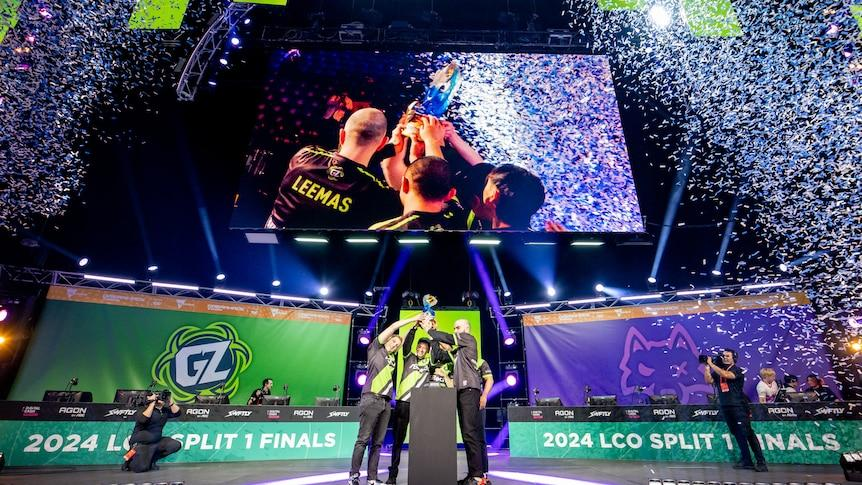
These narratives — underdog runs, rivalries, comeback victories — are only fully experienced when followed live. Watching highlights later simply does not deliver the same intensity or suspense.
Data, Analytics, and the Rise of Esports Intelligence
Another reason live match tracking has become central to esports culture is the growing importance of statistics and analytics.
Modern esports fans are highly informed and often analyze performance metrics such as kill-death ratios, economy management, hero picks, and map control efficiency.
Live dashboards and match trackers provide instant access to this data. Fans can compare drafts, evaluate tactical decisions, and predict outcomes in real time. This analytical layer transforms esports into a strategic spectacle that rewards knowledge and attention to detail.
Additionally, fantasy leagues and esports prediction communities rely heavily on live updates. Participants need immediate information to make informed decisions.
The integration of analytics tools has elevated esports viewership into a more interactive and intellectually engaging experience.
Community Interaction and Social Connectivity
Live esports events are not just about watching matches — they are about shared digital experiences. During live broadcasts, thousands of viewers participate in chat discussions, share memes, and react instantly to major plays. This communal interaction adds another dimension to the esports lifestyle.
Social media platforms amplify this engagement. Clips of decisive moments circulate within seconds, sparking debates and analysis across Twitter, Reddit, and Discord communities. Fans create content, discuss strategies, and build micro-communities around specific teams or regions.
Offline viewing parties and esports bars further demonstrate how live match culture extends beyond individual screens.
Friends gather to watch finals together, replicating the atmosphere of traditional sports events. This blending of digital and physical spaces reinforces esports as a lifestyle rather than just entertainment.
The Future of Live Esports Consumption
The future of following live matches looks even more immersive. Advancements in virtual reality (VR), augmented reality (AR), and interactive streaming promise deeper viewer involvement.
Fans may soon switch camera perspectives, access real-time tactical overlays, or experience matches from a player’s viewpoint.
Global prize pools continue to grow, and production quality improves with each major tournament. As esports ecosystems expand into new regions, live match coverage becomes more localized and accessible.
Multilingual commentary, regional leagues, and grassroots tournaments contribute to a constantly active competitive calendar.
The combination of accessibility, technology, and global community ensures that live esports consumption will continue evolving. Real-time engagement is no longer optional — it is expected.
Conclusion
Following live matches has become a defining characteristic of the modern esports lifestyle. Real-time scores, in-depth analytics, emotional storytelling, and community interaction create a dynamic viewing experience that goes far beyond traditional entertainment.
Esports fans are not simply observers; they are active participants in a fast-moving digital ecosystem. From tracking statistics and analyzing strategies to celebrating championship victories, live engagement shapes how fans connect with the competitive gaming world.
As technology advances and global esports events continue to grow, watching live matches will remain at the heart of the esports culture. It is not just about seeing who wins — it is about experiencing every decisive moment as it happens.
