

Open any online casino and the first thing that hits you is the noise. Bright colors, animated characters, bonus rounds flashing like they’ve had too much coffee. It’s all very “pick me, pick me.”
But scroll just a little and things get quieter. That’s where the numbers live. RTP. Volatility. Hit frequency. A few labels that look technical enough to ignore.

Most players do exactly that. And honestly, fair enough.
Still, those numbers are doing more work than people realize. They don’t predict wins. They don’t promise anything. What they do is shape the personality of a slot. And once you notice that, choosing games starts to feel less random.
RTP Is About the Long Conversation, Not One Spin
RTP, or Return to Player, is the stat everyone mentions first. It’s shown as a percentage and it describes how much a slot is designed to pay back over time.
So a 96% RTP slot is built to return $96 for every $100 wagered – but only across a massive number of spins. Millions of them. Not tonight. Not this session. Just… eventually.
That’s why RTP feels abstract. You won’t feel it spin by spin.
These days, most mainstream slots sit comfortably in the mid‑90%s. When something pushes past 97%, players tend to notice. It gets talked about. Screenshots get shared. The reputation sticks.
Volatility Is Where Things Get Personal
Volatility is the stat that actually changes how a game feels minute to minute.
Low volatility slots tend to pay out little wins often. They feel busy. Active. Like something’s always happening, even if the balance isn’t jumping much.
High volatility games play the long game. Fewer wins, longer quiet stretches, but when a hit lands, it can land hard. These are the slots people remember. For better or worse.
Two games can have identical RTPs and still feel completely different because of volatility. One keeps you engaged. The other keeps you guessing.
Most players develop a preference without even realizing it.
Hit Frequency Sets the Rhythm
Hit frequency answers a simple question: how often does something happen?
It counts any win, even the small ones. A higher hit rate means more frequent feedback. Lower hit rates mean silence between moments.
Neither is better. They just create different rhythms.
Some players like hearing the win sound regularly. Others don’t mind waiting if the payoff feels worth it. Hit frequency gives you a clue about which camp a slot falls into before you even spin.
And on platforms that are properly set up, like a legal casino in UAE, these details are usually right there in the game info. No digging required. That kind of clarity has become more common lately, especially across regulated markets.
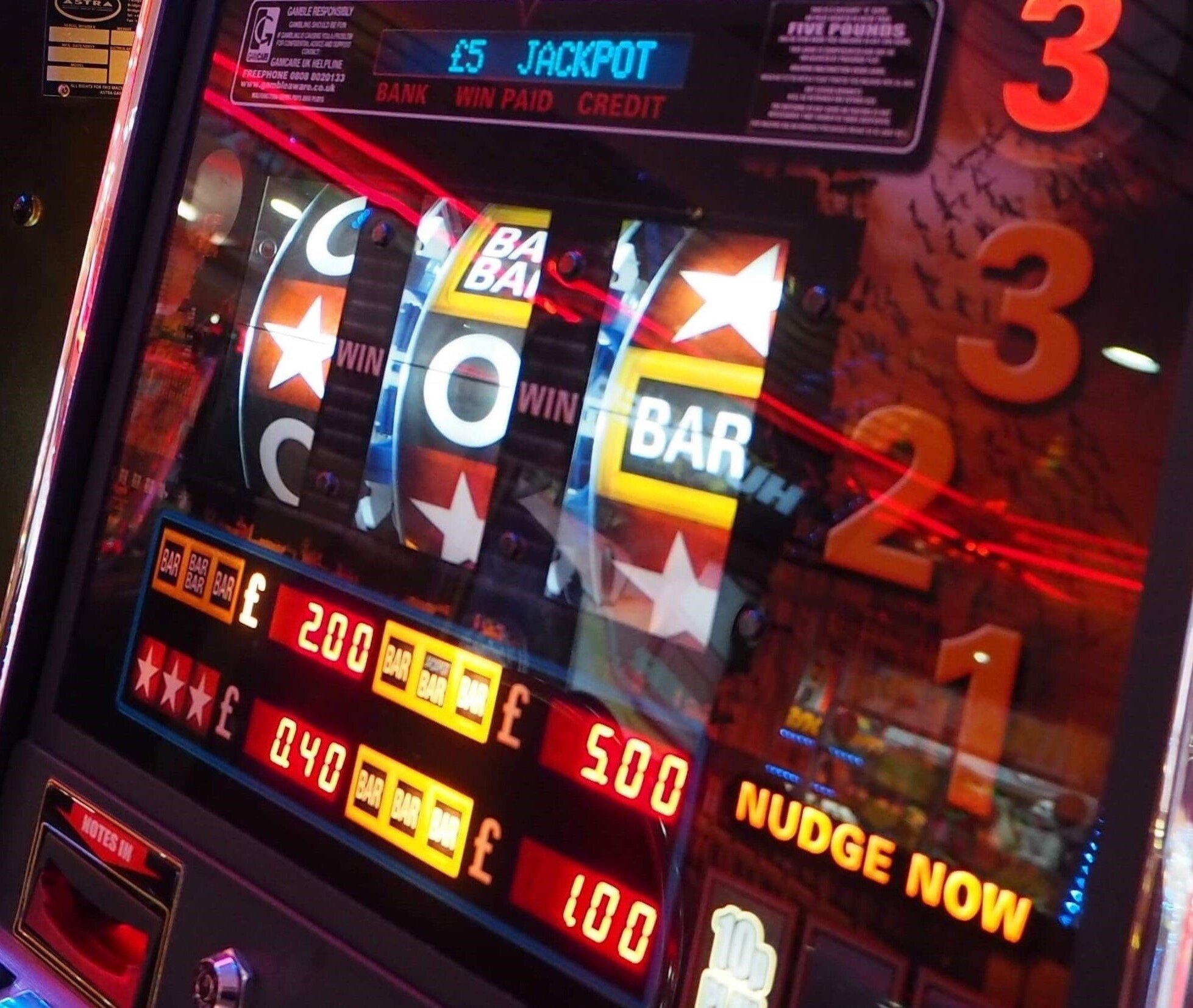
Mechanics Are What Make Slots Feel Different
Here’s where things really diverge.
Two slots can share RTP, volatility, and hit frequency, yet feel nothing alike. That’s almost always down to mechanics.
Classic payline slots are straightforward. Symbols land, lines match, payouts happen. Clean and familiar.
With Megaways, the reels don’t sit still. They expand and shrink with every spin, like the game’s constantly reshuffling the deck just to mess with you, in a good way.
Cluster‑pay games throw lines out entirely and reward groups of symbols that land together. They tend to feel looser and more fluid.
Cascading wins add movement. Winning symbols disappear, new ones drop in, and sometimes the same spin keeps paying. It’s still one result, but it doesn’t feel static.
None of these systems is superior. They just set a different pace. And pace matters more than most people think.
It’s Not Rocket Surgery
Slot machines are not complicated. They have patterns that you’ll learn to spot. Low volatility games with frequent little wins? Great for settling in. High volatility, big-feature slots? Perfect when you’re in the mood for drama.
And the good news? Most platforms today make that stuff easy to find. Stats are right there on the game tile or info screen. So instead of guessing how a slot plays, you can just read the room.
The Quiet Truth About Slot Numbers
Slots are random. That never changes. Every spin stands on its own.
But the way that randomness is packaged makes a huge difference. RTP sets expectations. Volatility shapes emotion. Hit frequency controls rhythm. Mechanics define flow.
Once you see that, those little numbers stop feeling like decoration. They start feeling like context.
And context is what helps you pick a game that feels right for the moment. Not smarter. Not luckier. Just more in tune.
