

The history of electronic sports has long been one of showing off visceral speed, where victory is measured. It’s measured in milliseconds, and reaction time is the measure of champions.
Games such as Call of Duty and League of Legends require a lot of mechanical precision. This can create barriers to entry for older players and repeat players.
That might be about to change. Strategy games and digital card games are quickly climbing the ranks in terms of player base and competition.
Games like Hearthstone and Magic: The Gathering Arena provide platforms for players to compete with their brains.
Flawless Connectivity Defines the Modern Competitive Arena
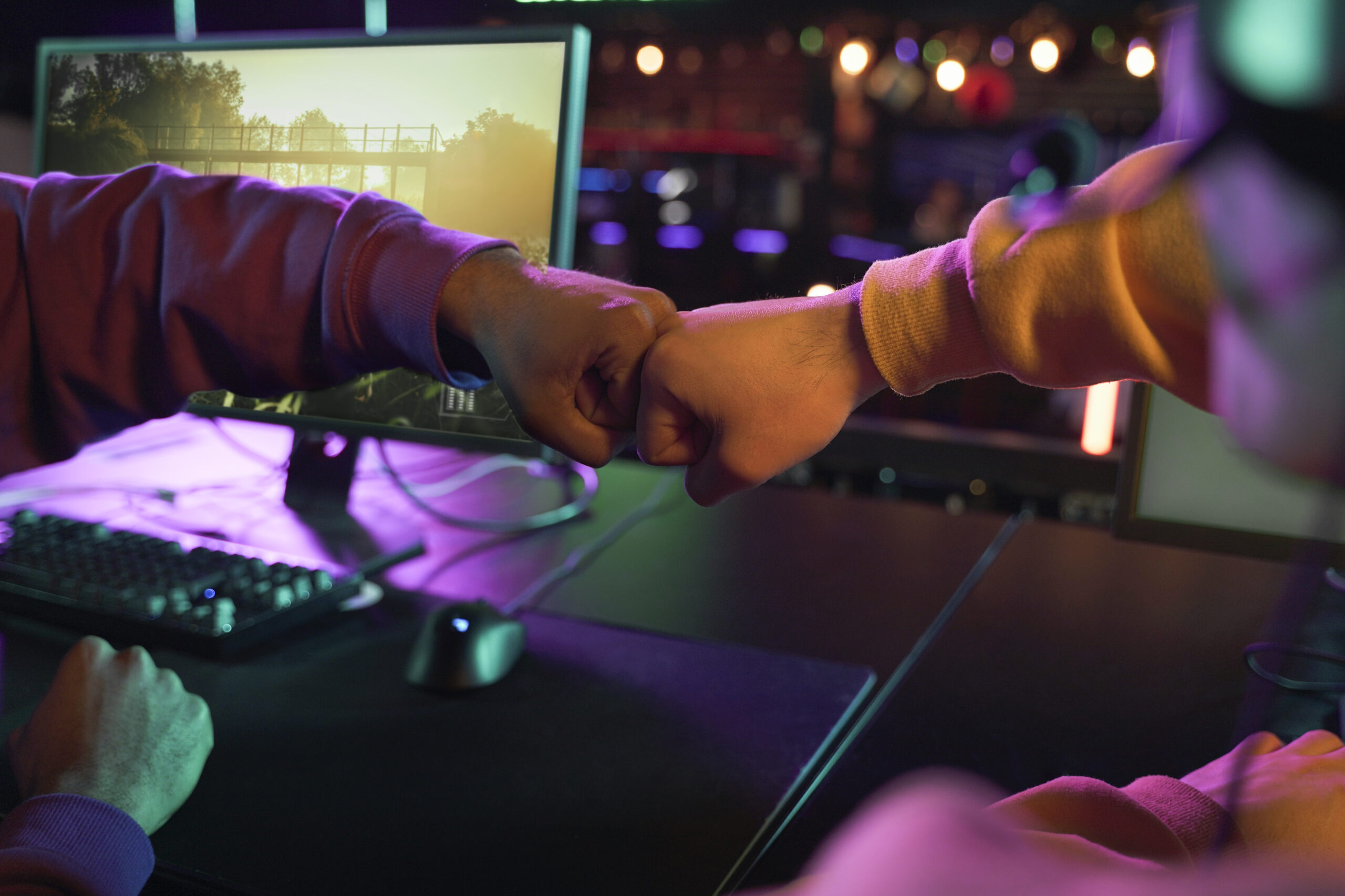
Technical stability requirements for players extend beyond first-person shooter (FPS) games. Disconnecting from the game during a strategic match results in the loss of both financial and ranking progress.
For anyone playing online poker for real money California, server stability must be sufficient. It’s to support gameplay similar to arena FPS requirements.
Players need a rock-solid connection to execute a frame-perfect combo in a fighting game. Online gaming is only fair when both competitors have access to a lag-free connection. Out on the edge, tight connections under 20 milliseconds keep things fair. This is how serious gaming operates.
Mental Endurance Outweighs Physical Reflexes in Strategy Games
The traditional measuring stick of gamer ability has always been Actions Per Minute (APM). It measures clicks and keystrokes players can perform in one minute. Card platforms replace this sweat-equivalent with Decisions Per Minute.
Instead of muscles, information processing and thought are taxed. Professional players maintain a fairly reasonable actions per minute rate while analyzing odds in card games. They’re analyzing opponent strategies and monitoring their resources under time constraints.
By now, most chess players would have finished their turn under a 75-second blitz clock. The best players are doing advanced pot-odds or damage calculations.
Players will find their decision-making skills tested to the limit, proving that older players stay relevant at the highest levels. They have remained longer due to pure skill rather than just twitch reflexes.
Strategic Preparation Rivals the Complexity of MOBA Drafts

Massive online battle arenas (MOBAs) add another level of strategy even before the match begins. Players can pick their character before the game starts in a “Pick and Ban” format.
Card games replicate this level of strategy by allowing deck building and sideboarding. This stage of competition outside of actual matches is commonly called “meta-game” knowledge. Half the battle of succeeding in this style of game is preparation; the other half is execution.
Players must study the ever-changing landscape of trends and statistical match-ups every day. Just like an Overwatch team must change with the meta during a new patch cycle, card players must adjust. They don’t stop adapting their decks to beat the best strategy possible.
Financial Stakes and Reward Structures Drive Player Performance
Card platforms have found some success in gamifying high-stakes play. Card platforms don’t aim for the moon payouts seen in esports tournaments such as shooter competitions. They reward incremental success through risk-and-reward-based “ladder” or “arena”- style play.
Recently, large-scale events such as the Magic World Championship have reached prize pools of over $1 million.
These card events offer payouts comparable to those of smaller, more traditional esports events. The payout models support a unique economy based on skill, as players must pay to continue playing and earn their winnings.
Low Entry Barriers Hide an Infinite Ceiling of Mastery
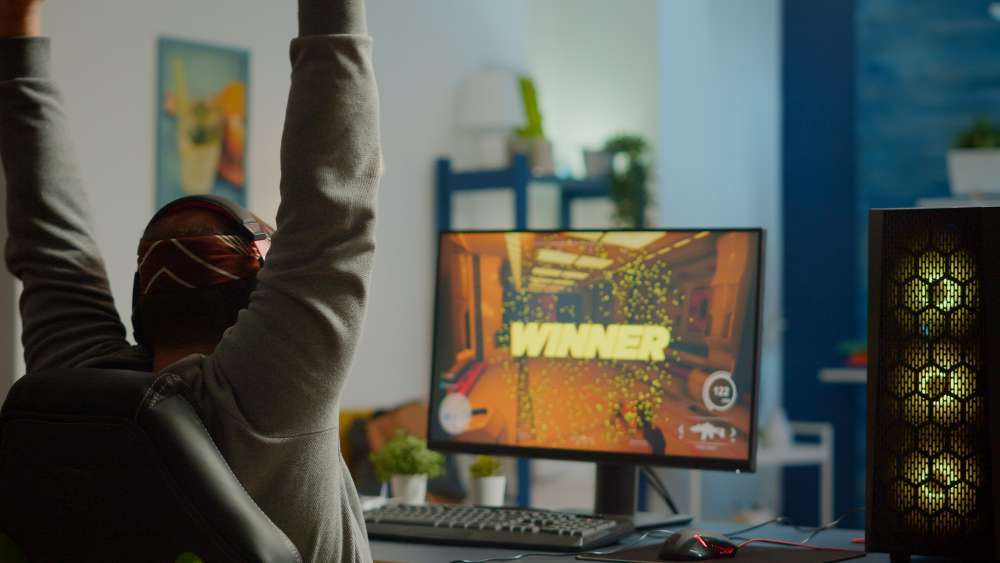
One attractive thing about the game card genre is its philosophy of being easy to learn and challenging to master.
Physical esports tend to have a high barrier to entry, given that players need high-end gaming PCs. High-refresh-rate screens and specialized peripherals allow for a fair playing field.
In contrast, card platforms are now democratizing competitive gaming because they’re running smoothly on mobile devices.
These accessible systems don’t sacrifice any strategic depth. The global mobile trading card game market is generating billions in revenue.
That proves accessibility is the driver of growth. While the hardware requirements are effectively lower, the game’s actual skill ceiling remains infinite.
Although anyone can play, it’s those dedicated enough to play regularly who will actually dominate the final results. They rule leaderboards even if they don’t devote excessive time to the game.
The Checkmate Generation
Screenshots displaying impressive headshots and glorious team wipes across all players are great for highlight reels.
The intense silence preceding a lethal card sequence or the palpable feeling of successfully bluffing an opponent out of points is palpable. It doesn’t fail to create its own form of spectacular tension.
With digital spaces evolving into competitive platforms, players’ understanding of who constitutes an esports competitor is changing.
For now, it’s anyone who can outreact someone else. But these new brainy platforms help the industry grow by showcasing how thrilling it can be to watch someone out-think opponents.
