

The gaming world is bracing for the arrival of Valve’s new compact system: the Steam Machine. With console-like form and PC roots, this device is clearly targeting the same space currently occupied by giants like the Xbox Series X and PlayStation 5. But does it truly have what it takes to compete at the top level?
Let’s break it down to see whether the Steam Machine could be more than just another attempt at bridging the console and PC worlds.
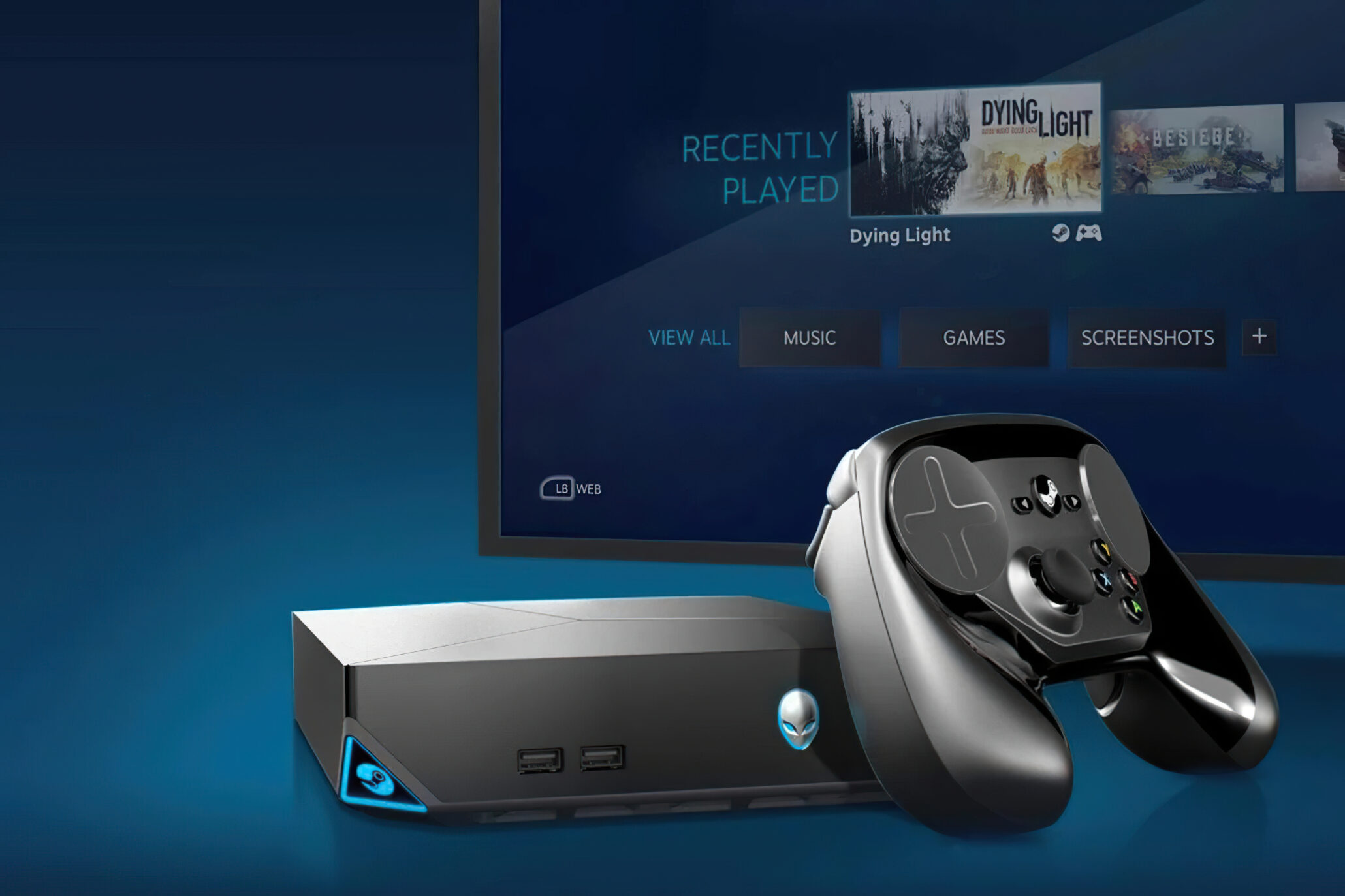
A Compact Console-PC Hybrid Aimed at the Big Players
The Steam Machine’s form factor mimics traditional consoles, but at its core, it’s a gaming PC built with a very specific mission: deliver high-end gaming performance while keeping costs low.
Valve’s strategy seems centered on providing an accessible yet powerful experience, one that can sit under your TV just as comfortably as any console.
Inside, it’s driven by an AMD Zen 4 CPU and 16 GB of RAM, specs that are more than capable for today’s gaming demands.
The GPU, a custom RDNA 3 unit, is roughly equivalent to AMD’s RX 7600M. This puts its raw power somewhere between the Xbox Series S and the PlayStation 5.
For most gamers, that means you can expect to run current AAA titles with decent fidelity, but don’t count on pushing every game to its absolute limits.
Valve seems to have cut just enough corners to stay competitive in price while keeping performance respectable.
Designed for Gamers, Not Just Players
Where the Steam Machine may shine brightest is in its versatility. Unlike closed console ecosystems, this machine allows players to run Windows or Linux, access mods, and even switch storefronts if they like. That openness is a breath of fresh air in an increasingly locked-down console space.
What’s more, users will be able to browse the web freely, run apps, and access platforms beyond gaming. Whether it’s managing Discord, streaming content, or checking out browser-based games and slots, this system does more than just boot into a game launcher.
That multi-use nature makes it an interesting pick not only for hardcore gamers but also for those looking to merge entertainment and productivity in one box.
A Few Trade-Offs Worth Noting
As exciting as the Steam Machine sounds, it’s not without limitations. The GPU, while serviceable, is a notch below the PS5 and Xbox Series X in pure graphics power. That may lead to slightly lower frame rates or reduced visual effects in some of the more demanding titles.
But for many players, that’s a trade-off worth accepting in exchange for the flexibility of PC gaming and the possibility of long-term customization or upgrades.
Another consideration is software optimization. Unlike consoles, where games are designed specifically for the hardware, PC-based machines like this can occasionally suffer from performance inconsistencies, depending on the title and settings.
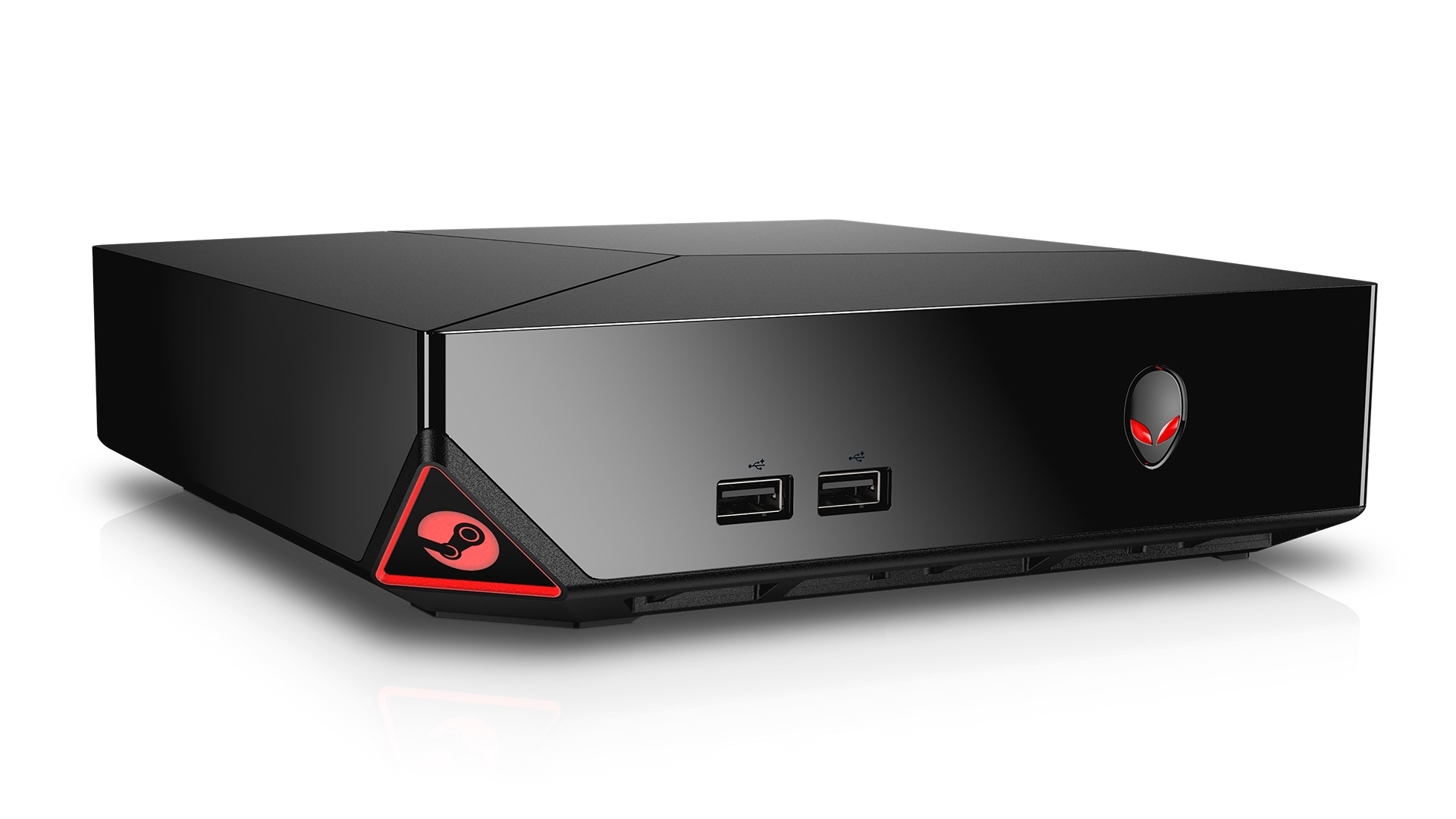
Can It Really Compete?
The short answer: Yes, but not for everyone.
The Steam Machine isn’t trying to dethrone the PS5 or Xbox Series X by brute force. Instead, it’s aiming to be the smarter, more flexible alternative, the system for players who want more than a console, without going all-in on a full gaming rig.
Its biggest strength lies in what it represents: freedom. The freedom to install what you want, play how you want, and use the system beyond gaming when needed. For a lot of users, that could be the deciding factor.
