

Video games have changed a lot over the past decade, yet one thing has stayed the same. Players still respond strongly to moments of instant reward. Whether it is a loot drop, a skill trigger or a sudden score boost, these short cycles give games their sense of pace.
They make the action feel active, keep players locked in and create the rhythm that so many titles rely on. Quick win mechanics sit at the centre of that rhythm.
They appear in more genres than ever, from shooters and puzzle hybrids to mobile hits that rely on fast feedback to keep people engaged.

Behind these moments sits a mix of behavioural triggers that developers have studied for years. Games mirror how people react to uncertainty, reward timing and small risk.
What once belonged only to arcade machines now shapes everything from console blockbusters to casual mobile games.
Understanding why these fast reward loops work so well helps explain why so many titles continue to build their structure around brief bursts of excitement.
How Players React to Fast Reward Loops?
Quick win mechanics rely on a simple idea. A small action leads to a fast outcome. Nothing complicated sits between the player and the result.
A click or a tap starts the loop, and a moment later a sound, animation or number tells them something went right. The brain processes these signals almost instantly, which gives these events their strong pull.
The most common example is the loot box or crate. Players open one, wait a short second and watch a reveal animation roll across the screen. The actual item inside may not be rare, but the act of opening remains rewarding because the reveal feels unpredictable.
That split moment between press and outcome builds a light form of tension. Even when the reward stays modest, the feeling of possibility gives the action weight.
Competitive titles also use fast rewards. In shooters, a headshot popup or sound cue creates a brief reward moment. It lasts only a second, yet it strengthens the overall feel of the match.
The same applies in strategy games where players gain quick resource boosts or achieve micro goals. Each small step helps anchor the larger sense of progress, even when the full round lasts much longer.
Where Pokie Style Mechanics Enter the Picture?
Quick reward cycles did not begin with modern gaming. They have a long history in classic entertainment formats like online pokies. The structure is simple.
A player acts, the reels move and a result appears in a short burst of time. This fast cycle shaped many ideas that developers now use across different genres. It taught designers how to pace tension and reveal outcomes in ways that feel natural to users.
Today many players recognize these patterns even if they do not play pokies themselves. The short pause between action and result mirrors the same moment found in loot reveals or spin based mini games. The link between the two is not accidental.
Both rely on controlled uncertainty. The player knows something will happen but cannot predict how each outcome will look.
Designers often build visual and audio cues to support that tension, guiding the player from anticipation to resolution without breaking flow.
Because of these shared features, some players explore online pokies to understand how these loops work in a simpler form. Anyone curious about this format can find top-rated pokies here, which offers a clear view of how these reward patterns operate without extra layers of story or mechanics.
Pokies strip the idea down to its core. The cycle happens in seconds and repeats at a steady pace. This makes them a useful point of comparison in discussions about quick win psychology.
Game studios pay close attention to how users respond to short outcomes. The effects can be seen in mobile games that feature spin wheels, daily rewards or instant energy boosts.
Even mainstream titles add small interactions like quick craft successes, minor experience jumps or momentary power triggers. These tiny steps keep the session lively without adding complexity.
The Wider Impact on Modern Game Design
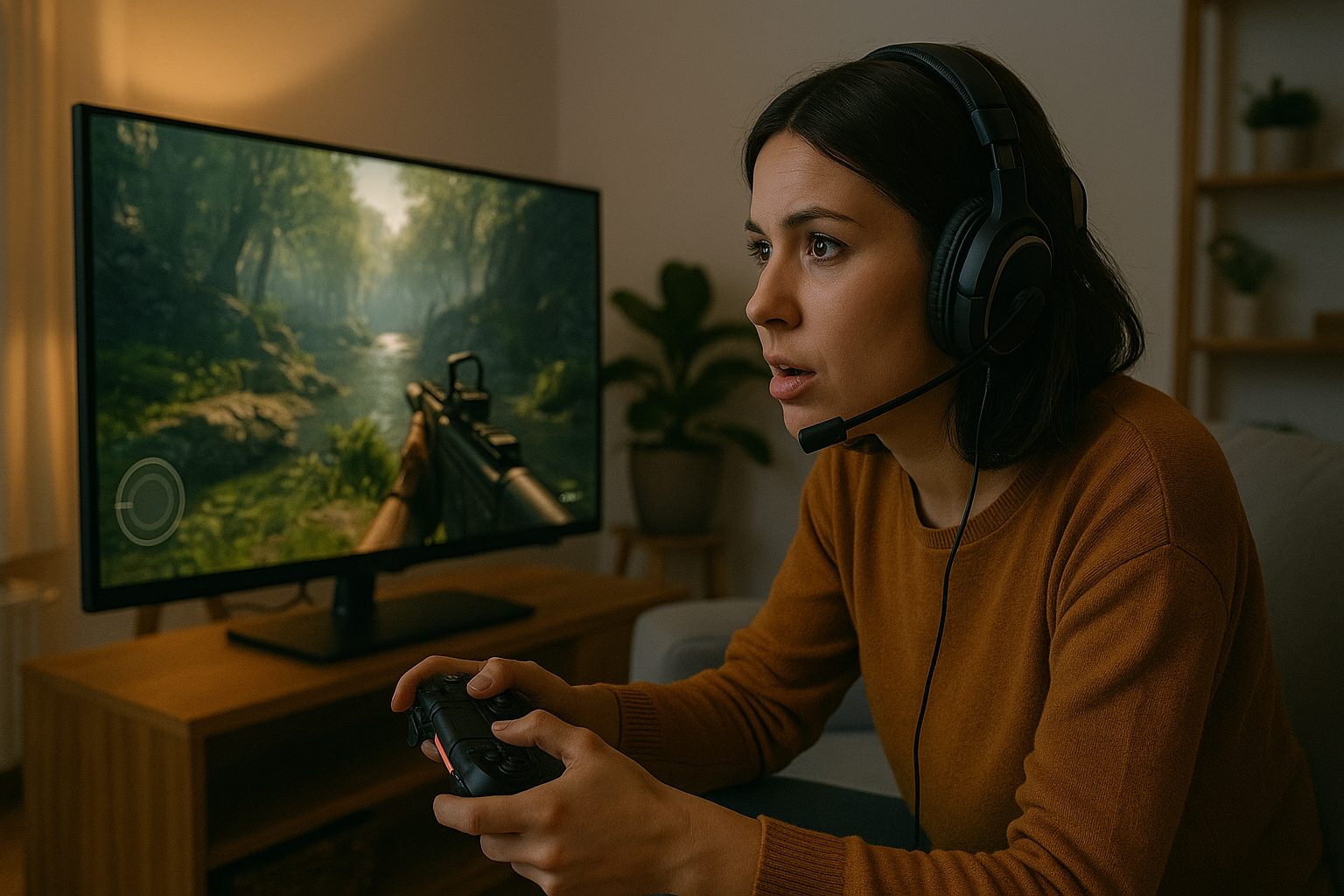
Quick win mechanics have changed how developers structure their games. Many teams build session lengths around these fast cycles. Mobile titles rely on short bursts that fit into the routines of daily life.
Console games integrate layered reward systems that support long sessions without losing momentum. Even single player RPGs use fast rewards to break up larger story arcs. A battle may take minutes, yet the player still sees small gains after each turn, attack or action.
These cycles also shape how progression systems are built. Instead of waiting long periods for a major milestone, players see steady steps forward. They level up in small increments, unlock partial upgrades or tick off micro objectives that maintain interest.
This approach broadens the appeal of many genres. Casual audiences appreciate the light pace, while committed players enjoy the constant sense of movement.
The social side of gaming reflects this trend as well. Many titles reward short interactions with friends or teammates.
Quick assists, combo plays or shared wins provide small dopamine boosts that strengthen the social loop. Players feel connected to each other through frequent positive cues rather than long waits for major achievements.
Why These Mechanics Matter?
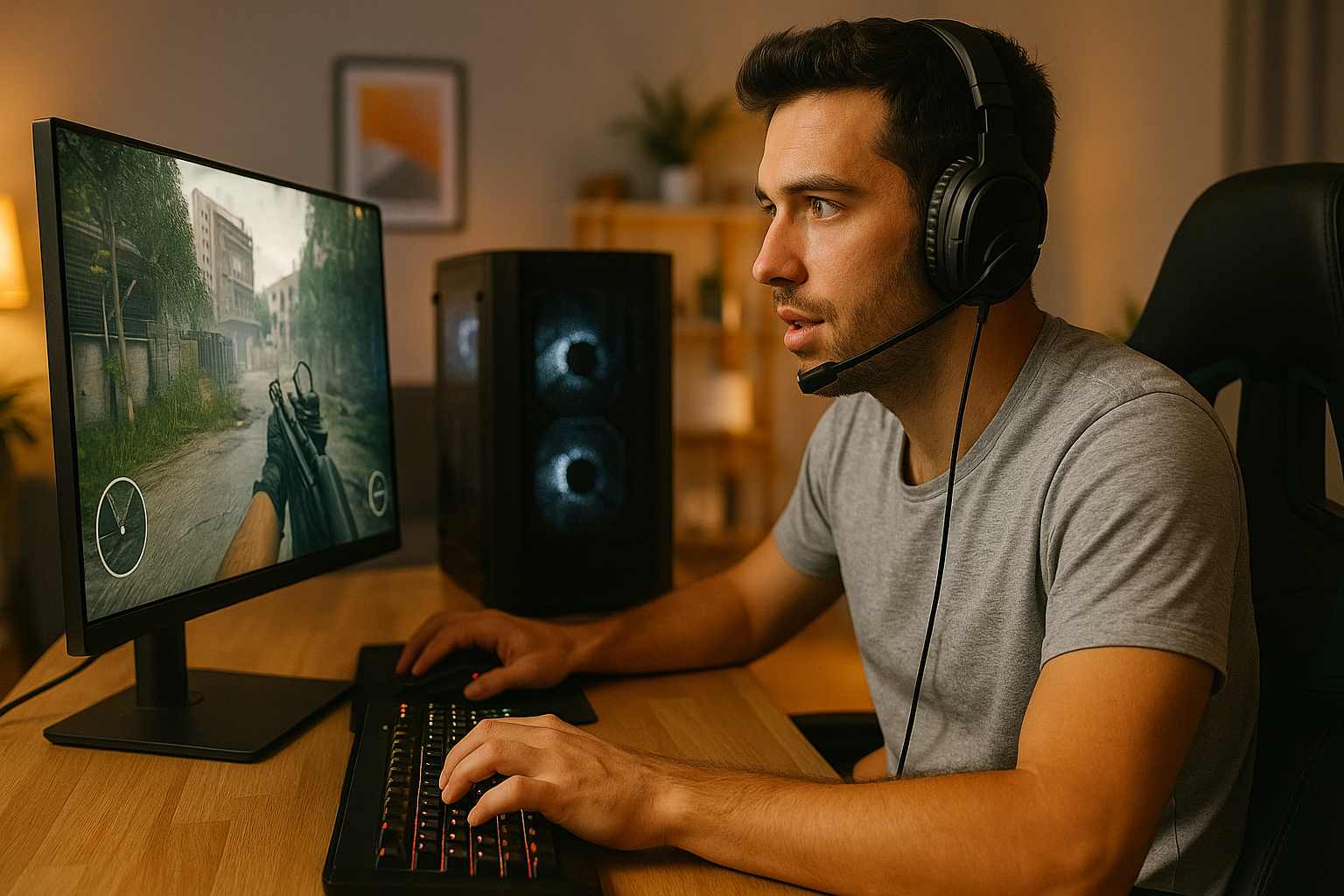
As technology advances, quick win systems grow more polished. Better animation, richer sound cues and haptic feedback give every action clearer impact. These touches help developers guide player attention without slowing the pace.
Their strength comes from versatility. Quick reward loops fit into puzzle games, shooters, strategy titles and story driven adventures.
They fill the quiet moments between major beats and give players steady reasons to stay active. Even small interactions gain importance when supported by thoughtful design.
The psychology behind these loops is simple but powerful. Players respond well to short bursts of uncertainty and reward, yet the system still needs careful tuning to avoid fatigue. Successful titles use these moments to maintain energy while leaving room for deeper mechanics.
Modern gaming still draws from older formats that relied on fast and predictable feedback. When combined with new technology, the result is play that feels smooth, responsive and rewarding.
It is likely that quick win mechanics will remain a core design tool long into the future, shaping how players enjoy both short and extended sessions.
